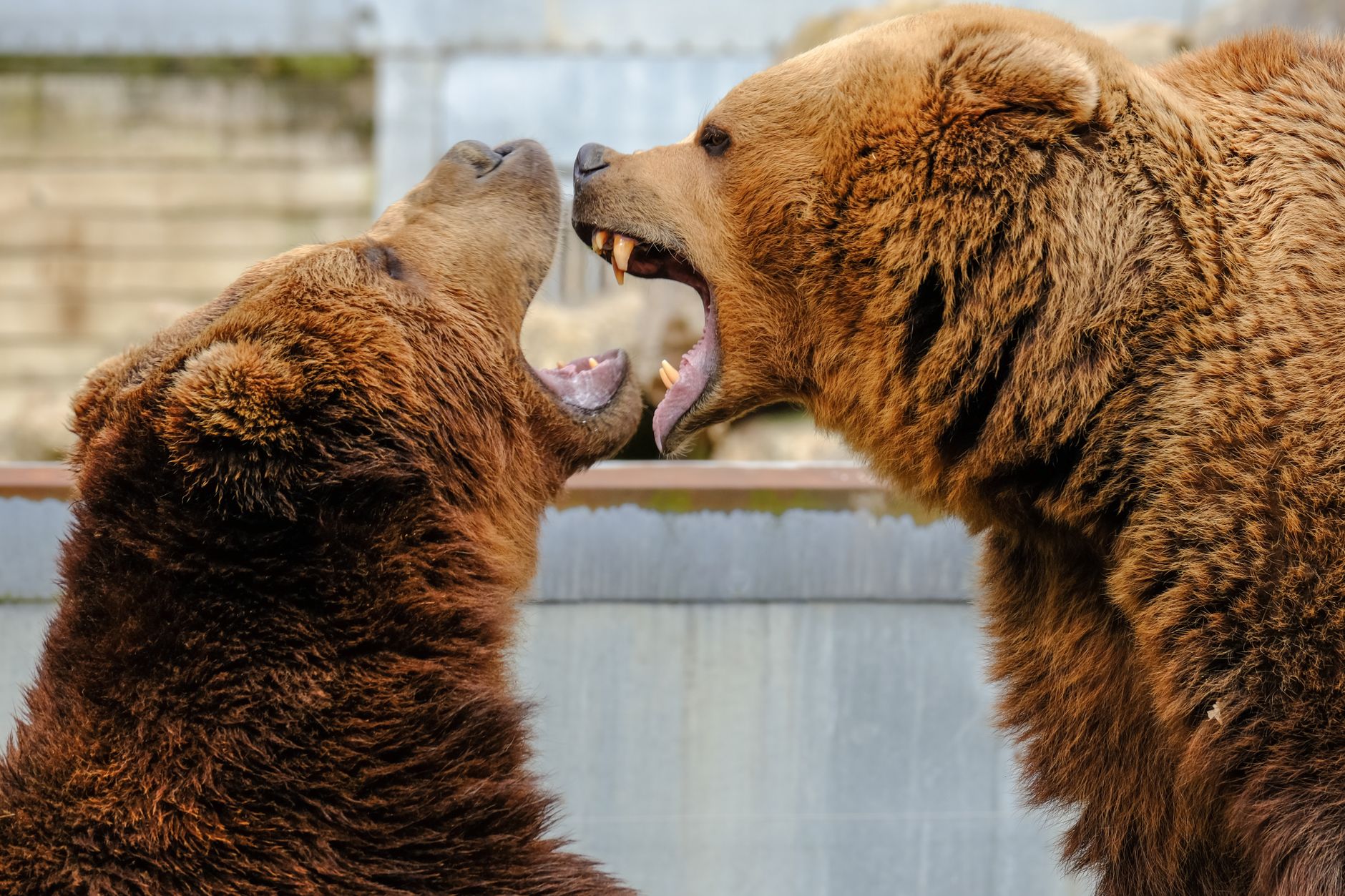
Hunters Lure Bears: New Rule Allows Donuts in Alaska Parks
hunters lure bears with donuts under a new U.S. government rule that permits this practice in Alaska national parks. This controversial decision has sparked debate among conservationists and wildlife advocates.
Overview of the New Rule
The recent change in regulations has stirred significant debate among wildlife enthusiasts and conservationists. Under the new rule, hunters are now allowed to lure bears using donuts in Alaska’s national parks, a practice that was previously prohibited. This decision, enacted by the U.S. government, aims to address increasing bear populations and the associated challenges for local communities.
Supporters of the rule argue that it provides an effective method for managing bear numbers, particularly in areas where bears have become a nuisance. They believe that using food, such as donuts, can help to direct bears away from populated areas, thereby reducing potential conflicts. However, critics express deep concern regarding the ethical implications of such practices and the impact on bear behavior.
Furthermore, this regulation raises questions about the long-term effects on bear populations and the ecosystems they inhabit. Many fear that luring bears with unnatural food sources could lead to increased dependency on human-provided food, ultimately disrupting their natural foraging habits.
As the implementation of this rule unfolds, both proponents and opponents are closely monitoring its outcomes, hoping to find a balance between wildlife management and ethical hunting practices.
Impact on Bear Populations
The recent decision to allow hunters to lure bears with donuts in Alaska parks has raised concerns among wildlife experts and conservationists regarding its potential impact on bear populations. Many fear that this practice could lead to increased bear mortality rates, particularly among young bears that are still learning to navigate their environment.
Experts argue that using food as bait can alter natural behaviors and disrupt the delicate balance within ecosystems. Some key points of concern include:
- Increased human-bear encounters: As bears become accustomed to associating humans with food, the likelihood of dangerous encounters may rise.
- Dependency on human food: Bears may begin to rely on artificial food sources instead of foraging naturally, potentially leading to health issues and reduced survival rates.
- Disruption of natural hunting patterns: Allowing hunters to lure bears could interfere with the natural predation dynamics, impacting other wildlife species.
As hunters lure bears with donuts, the long-term consequences on the bear population and the broader ecosystem remain uncertain, prompting calls for further research and monitoring to assess the outcomes of this controversial rule.
Reactions from Conservationists
The recent decision to allow hunters to lure bears with donuts in Alaska parks has sparked significant backlash from conservationists. Many experts argue that this practice undermines wildlife management efforts and poses serious risks to bear populations.
Conservationist groups have expressed concern that using food as a lure will not only make bears more vulnerable to hunters but could also lead to increased human-bear interactions. Dr. Emily Johnson, a wildlife biologist, stated, “This new rule is likely to disrupt the natural behaviors of these animals and could lead to more bears being killed than necessary.”
Additionally, some environmental advocates worry about the long-term implications for ecosystems. They believe that by encouraging hunters to lure bears with donuts, the government is prioritizing sport over the preservation of wildlife.
Among the criticisms, Tom Reynolds, a representative from a leading conservation organization, voiced that “the use of food as a hunting lure is not only unethical but also sends the wrong message about how we should coexist with wildlife.”
As the debate continues, conservationists are calling for a reevaluation of the rule, urging for a more sustainable approach to wildlife management that respects the natural behaviors of bears.
Legal Implications of Bear Hunting
The recent decision to permit hunters to lure bears using donuts in Alaska’s national parks raises significant legal implications that merit attention. Under the new rule, hunters are now allowed to use food, specifically donuts, as bait to attract bears, which has sparked a wide range of discussions surrounding wildlife management and ethical hunting practices.
Critics argue that this practice could lead to increased bear mortality rates, potentially disrupting local ecosystems. The legal framework surrounding bear hunting already faces scrutiny, and allowing hunters to lure bears with such an appealing bait raises questions about the sustainability of bear populations in these areas. Furthermore, opponents of the rule contend that it could encourage irresponsible hunting behaviors.
Supporters, on the other hand, believe that the regulation could provide necessary population control measures, claiming that it could help manage overpopulated bear areas. They argue that proper regulation can ensure that hunters lure bears responsibly and ethically.
As the situation evolves, it is crucial for wildlife officials to monitor the effects of this new rule closely and assess its impact on both bear populations and the broader environment. The balance between hunting interests and conservation efforts will be a key focus in the coming months.
Public Opinion on Hunting Practices
Public opinion on the recent rule allowing hunters to lure bears with donuts in Alaska parks is sharply divided. Advocates argue that this method of hunting is both effective and necessary for managing bear populations, particularly in areas where human-wildlife interactions have become more frequent.
Supporters of the rule highlight the following points:
- Population Control: Allowing hunters to lure bears could help maintain a balanced ecosystem and reduce the risk of dangerous encounters.
- Regulation Compliance: Many believe that the new rule will encourage responsible hunting practices, as it is regulated under strict guidelines.
However, critics raise concerns about the ethics of using food to attract bears, suggesting that it undermines the principles of fair chase. They also worry that such practices could lead to increased habituation, making bears less fearful of humans and potentially more dangerous.
Some opponents argue that the allure of donuts may attract not only bears but also other wildlife, disrupting local ecosystems. As debates continue, it remains clear that the public’s perception of hunters luring bears with this new method is complex, reflecting broader tensions between conservation, recreation, and wildlife management.
Comparison to Other States
As Alaska implements its new rule allowing hunters to lure bears with donuts, comparisons with regulations in other states reveal a diverse approach to bear management across the United States. In states like California and Washington, strict regulations govern bear hunting, with no allowance for baiting using food products. These states emphasize a more conservation-oriented strategy, focusing on maintaining natural bear behavior and habitat.
On the other hand, Montana and Idaho have adopted more lenient rules, permitting hunters to use various bait, including donuts, to attract bears. These states argue that such practices can help manage bear populations effectively while ensuring public safety. However, critics argue that luring bears with food can lead to increased human-bear conflicts and alter natural behaviors.
Moreover, the methods used to attract bears vary significantly, with some states allowing only specific types of bait, while others impose no restrictions at all. In contrast to Alaska’s new approach, many wildlife advocates are concerned that these practices may undermine ongoing conservation efforts and could lead to detrimental impacts on bear populations and their ecosystems.
Future of Wildlife Management in Alaska
The future of wildlife management in Alaska is increasingly uncertain as the new rule permitting hunters to lure bears with donuts takes effect. This controversial measure raises questions about the ethical treatment of wildlife and the long-term implications for bear populations in the region.
Supporters argue that the rule could help manage bear numbers and prevent human-wildlife conflicts. However, critics fear that using food as a lure undermines the natural behaviors of bears and may lead to a reduction in their foraging skills. The introduction of food-based hunting methods could also alter bear feeding patterns, potentially impacting their health and survival rates.
Moreover, the increased accessibility of bears to hunters may set a precedent for more aggressive hunting practices, which could further strain the delicate balance of Alaska’s ecosystems. As wildlife management continues to evolve, it is essential for stakeholders to engage in discussions about sustainable practices that protect both wildlife and communities.
Ultimately, the future of wildlife management in Alaska hinges on finding common ground between hunters, conservationists, and policymakers. As the state navigates this new terrain, the impact of allowing hunters to lure bears remains to be seen.
As the new regulation takes effect, many are curious about how hunters lure bears with the sweet treats. The use of donuts as bait could significantly change the dynamics of bear encounters in Alaska parks, as hunters lure bears into specific areas for observation and management.
Photo by Nicky Pe on Pexels