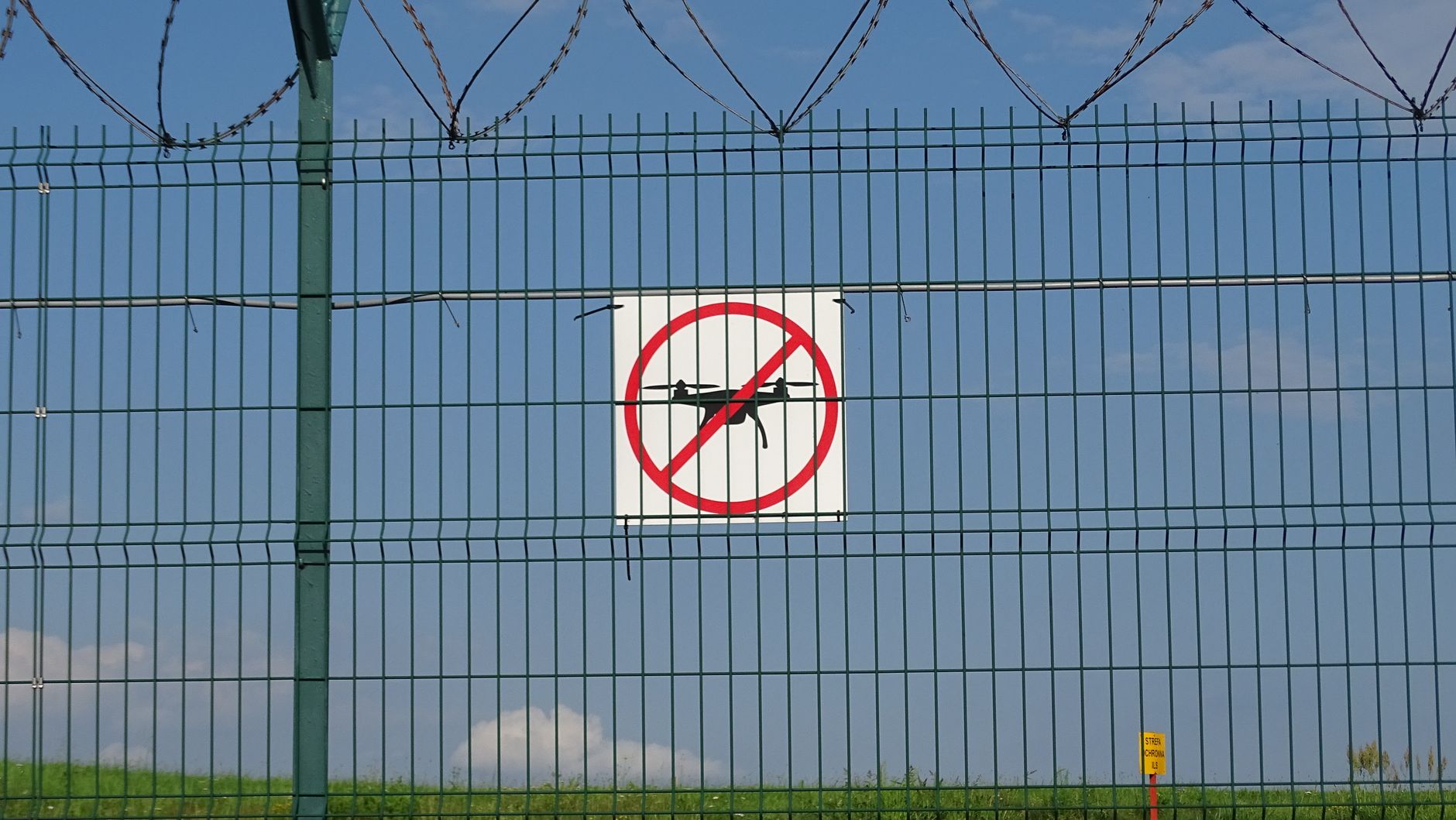
Are Drone Restrictions at the Mexico Border Worth the Risk?
drone restrictions Mexico border have been imposed by the US government, raising concerns about security and surveillance effectiveness. This new regulation aims to address various legal and safety issues along the border.
Overview of New Drone Restrictions
The recent announcement of new drone restrictions along the Mexico border has sparked significant debate among various stakeholders. These regulations, imposed by U.S. authorities, aim to enhance security and address concerns related to illegal activities in the region.
Proponents of the drone restrictions argue that:
- National Security: Increased monitoring capabilities can help prevent unauthorized border crossings and drug trafficking.
- Safety: Limiting drone usage reduces risks of collisions and interference with manned aircraft, especially in crowded airspace.
- Privacy: New regulations may protect the privacy of individuals living near the border by limiting aerial surveillance.
However, opponents raise several concerns regarding these drone restrictions:
- Innovation Stifling: Restricting drone usage could hinder technological advancements in aerial surveillance and mapping.
- Economic Impact: Businesses that rely on drones for agricultural monitoring and delivery services may face challenges.
- Effectiveness: Critics question whether these restrictions will effectively address the root causes of border issues.
As discussions surrounding the drone restrictions at the Mexico border continue, stakeholders must weigh the potential benefits against the risks and limitations imposed by these new regulations.
Impact on Border Security
The recent implementation of drone restrictions along the Mexico border has sparked a debate about its effectiveness on border security. Proponents argue that these regulations are essential for maintaining safety and ensuring that surveillance technologies do not fall into the wrong hands. However, critics contend that such measures may hinder law enforcement’s ability to respond quickly to illegal activities.
One significant concern is the potential for increased smuggling activities. With drone restrictions in place, law enforcement may find it more challenging to monitor remote areas where illegal crossings occur. This could lead to an uptick in drug trafficking and human smuggling, as criminals adapt to the limitations imposed on surveillance.
Additionally, the restrictions could impede the use of drones for humanitarian purposes. Organizations that rely on drones to deliver aid and monitor conditions along the border may face new hurdles, limiting their ability to assist vulnerable populations. The balance between security and humanitarian efforts is delicate, and any disruption could have serious implications for those in need.
Furthermore, the effectiveness of these drone restrictions remains to be seen. As technology continues to evolve, so too will the tactics employed by those looking to bypass security measures. This raises the question: are the drone restrictions at the Mexico border truly worth the risk, or do they do more harm than good?
Legal Challenges Ahead
The recent imposition of drone restrictions at the Mexico border has sparked considerable debate, particularly regarding the legal implications that may arise. As the government aims to enhance border security through these regulations, several organizations and individuals are poised to challenge the legality of such measures.
Legal experts argue that the new drone restrictions could infringe upon constitutional rights, particularly concerning privacy and freedom of movement. The following points highlight key legal challenges that may emerge:
- First Amendment Rights: Critics assert that these restrictions may limit the ability of journalists and activists to document border activities, raising concerns about freedom of speech and press.
- Fourth Amendment Protections: There is a potential argument that drone use for surveillance may constitute unreasonable searches, prompting legal scrutiny under the Fourth Amendment.
- Regulatory Ambiguity: The lack of clear guidelines on permissible drone use could lead to confusion among users, resulting in increased legal disputes over enforcement and compliance.
- Impact on Humanitarian Efforts: Organizations providing aid along the border may find their operations hindered, leading to legal challenges based on the necessity of their work.
As these legal battles unfold, the future of drone restrictions at the Mexico border remains uncertain, raising critical questions about the balance between security and individual liberties.
Public Reaction to Drone Regulations
The recent imposition of drone restrictions at the Mexico border has ignited a firestorm of public reaction, with opinions divided on the necessity and effectiveness of these regulations.
Some residents and advocacy groups express strong support for the new drone restrictions, arguing that they are essential for maintaining national security. They believe that limiting drone usage can help prevent illegal border crossings and assist law enforcement in monitoring remote areas. Supporters point to the following benefits:
- Enhanced Surveillance: Proponents argue that fewer drones will allow authorities to better manage aerial surveillance resources.
- Reduced Illegal Activity: By restricting drone usage, supporters claim there will be a decrease in smuggling and other illicit activities.
Conversely, critics of the regulations raise concerns about the potential negative consequences for both privacy and civil liberties. Many drone enthusiasts and civil rights advocates argue that these restrictions will hinder legitimate use of drones for various purposes, including:
- Photography and Journalism: Drones are often used to capture important events and document border conditions.
- Search and Rescue Operations: Many organizations rely on drones to assist in emergency situations, such as locating missing persons.
As the debate continues, it remains to be seen whether the drone restrictions at the Mexico border will ultimately prove to be a worthwhile measure or an overreach.
Comparison with Previous Policies
In examining the recent drone restrictions at the Mexico border, it is essential to compare these new regulations with previous policies that have governed drone usage in the area. Historically, drone operations along the border were relatively unregulated, allowing both governmental agencies and private citizens to utilize drones for various purposes, including surveillance and recreational activities.
Prior to these restrictions, the primary focus was on enhancing border security without stringent limitations. This approach led to an increase in the use of drones by law enforcement to monitor illegal crossings and drug trafficking. However, the lack of oversight also resulted in concerns regarding privacy violations and airspace safety.
The introduction of current restrictions aims to balance these concerns while still maintaining effective border security. Key differences from earlier policies include:
- Operational Limits: New regulations specify designated areas where drones can operate, significantly reducing the previously open access.
- Permitting Process: Users now must obtain permits for drone flights, a change from the informal practices that once prevailed.
- Increased Penalties: Violating the new restrictions can result in steep fines and potential criminal charges, reflecting a shift towards stricter enforcement.
This comparison highlights a significant shift in how drone operations are managed at the Mexico border, raising questions about the effectiveness and implications of these new restrictions.
Expert Opinions on Drones
Experts in the field of border security and drone technology have weighed in on the recently imposed drone restrictions along the Mexico border. Their opinions vary significantly, highlighting the complexities of enforcing these new regulations.
Some specialists argue that drone restrictions could hinder surveillance capabilities, ultimately impacting national security. Dr. Emily Carter, a security analyst, states, “While regulations are necessary, limiting drone use may prevent authorities from effectively monitoring illegal activities across the border.” She emphasizes that drones offer a cost-effective and efficient means of surveillance, which should not be overlooked in the face of potential risks.
Conversely, advocates for stricter drone regulations express concerns about privacy and the potential for misuse. Professor Miguel Sanchez, an expert in privacy law, notes, “The rise of drone technology raises significant ethical questions. If unregulated, drones could infringe upon the rights of individuals, making it crucial to establish clear restrictions.”
Additionally, some experts suggest that instead of outright bans, a balanced approach could be more effective. “Implementing a framework that allows for regulated drone use while maintaining necessary oversight could bridge the gap between security and privacy,” suggests Dr. Laura Nguyen, a technology policy researcher.
As the debate unfolds, the challenge remains: are drone restrictions at the Mexico border worth the risk of compromising both security and individual rights?
Future of Drone Usage at Borders
The future of drone usage at the Mexico border is poised for significant transformation as new restrictions take effect. These regulations, aimed at addressing security concerns, have sparked a national conversation about the balance between safety and innovation. Advocates for drone technology argue that it can enhance surveillance and monitoring capabilities, while critics highlight potential privacy infringements and the risks of misuse.
As these drone restrictions at the Mexico border are implemented, several factors will influence their effectiveness and acceptance:
- Technological Advancements: The rapid evolution of drone technology may lead to new applications that could align with regulatory frameworks.
- Policy Adaptation: There may be a need for ongoing adjustments to the regulations as stakeholders assess their impact on security and privacy.
- Collaboration: Engaging with drone manufacturers and users can create partnerships that ensure compliance while promoting beneficial uses.
- Public Perception: Ongoing dialogue with the public regarding the implications of these restrictions will be vital in shaping future policies.
Ultimately, the trajectory of drone usage at the Mexico border will depend on a careful examination of risks versus benefits. Policymakers must consider both the potential for enhanced security and the need for responsible drone operation to foster a safe and innovative environment.
Conclusion on Drone Restrictions
As the debate surrounding drone restrictions at the Mexico border continues, the implications of these new regulations warrant careful consideration. On one hand, proponents argue that restricting drone usage is essential for enhancing border security and reducing illegal activities. They believe that limiting drone operations will prevent potential threats, such as smuggling and unauthorized surveillance.
On the other hand, critics raise concerns about the effectiveness and practicality of these restrictions. Many question whether imposing drone restrictions at the Mexico border will genuinely deter unlawful actions or simply hinder legitimate uses, such as humanitarian efforts and surveillance for safety. The balance between security and accessibility remains a contentious issue among lawmakers, stakeholders, and the public.
Moreover, the potential for legal challenges looms large. As individuals and organizations voice their opposition to the new regulations, a clash between government authority and personal freedom may ensue. This could lead to prolonged legal battles that may ultimately delay the implementation of any effective border safety measures.
In conclusion, while the intention behind the drone restrictions at the Mexico border is to enhance security, it is crucial to evaluate the broader implications. Finding a middle ground that addresses both security concerns and the need for legitimate drone use will be vital. As the landscape evolves, ongoing dialogue and adaptation will be essential to navigate the complexities of drone policies in border management.
Many experts argue that the drone restrictions Mexico border could hinder effective surveillance and monitoring of illegal activities. However, proponents believe that these drone restrictions Mexico border are necessary to ensure safety and privacy for local communities.
Photo by More on my YouTube on Pexels