Antarctic research law: Clear benefits for global science
Antarctic research law is a significant development in international scientific cooperation. China’s recent announcement aims to bolster research efforts in this ecologically sensitive region.
Overview of the Antarctic Research Law
The recent announcement by China regarding the new Antarctic research law marks a significant development in the governance of scientific activities in the region. This legislation aims to enhance the framework for conducting research while ensuring the protection of the fragile Antarctic environment. The Antarctic research law will facilitate collaboration among nations, promoting the sharing of data and findings that can benefit global scientific communities.
Key aspects of the law include:
- Regulatory Compliance: Ensuring all research activities adhere to international treaties.
- Environmental Protection: Implementing strict guidelines to minimize ecological impact.
- Research Collaboration: Encouraging partnerships between domestic and international researchers.
With these measures in place, the Antarctic research law is expected to create a more structured environment for scientific exploration, ultimately leading to advancements in our understanding of climate change and biodiversity.
Impacts on Global Scientific Collaboration
The recent implementation of the Antarctic research law by China is poised to significantly enhance global scientific collaboration. This legislation aims to promote responsible and sustainable research practices in one of the world’s most pristine environments. As nations unite under this new framework, several key impacts are anticipated:
- Increased Data Sharing: The law encourages transparency and the sharing of research findings, allowing scientists worldwide to benefit from collective knowledge.
- Enhanced Research Funding: With a clearer regulatory framework, funding opportunities for Antarctic research may increase, fostering innovation and discovery.
- Strengthened International Partnerships: The Antarctic research law fosters collaboration across borders, enabling scientists from different nations to work together on critical issues such as climate change.
- Preservation of Ecosystems: By establishing guidelines for responsible research, the law helps protect the delicate Antarctic ecosystems while advancing scientific understanding.
Overall, the Antarctic research law signifies a step forward for collaborative science on a global scale.
Antarctic Research Law and Environmental Protection
The implementation of the Antarctic research law is poised to significantly enhance environmental protection in one of the world’s most pristine ecosystems. This legislation establishes clear guidelines for scientific activities, ensuring that research is conducted responsibly and sustainably.
Key elements of the law include:
- Strict regulations on waste disposal, minimizing human impact on the Antarctic environment.
- Mandatory environmental assessments for all research projects, promoting a careful evaluation of potential ecological consequences.
- Collaboration with international partners to share best practices and findings related to environmental stewardship.
By prioritizing environmental protection, the Antarctic research law not only safeguards this unique region but also contributes to global scientific endeavors. Researchers will be better equipped to study climate change and its effects, ultimately benefiting the international community as we face pressing environmental challenges.
Reactions from the International Community
Reactions from the international community regarding the newly announced Antarctic research law have been largely positive, highlighting its potential to enhance global scientific collaboration. Many countries recognize the importance of a unified legal framework that governs research activities in the Antarctic region.
- Support from Scientific Organizations: Various scientific bodies have expressed enthusiasm, stating that the Antarctic research law will facilitate joint projects and data sharing, leading to more comprehensive studies.
- Concerns about Implementation: Some nations, however, have raised concerns about how effectively the law will be enforced, particularly in remote areas.
- Environmental Advocacy: Environmental groups have applauded the law’s emphasis on protecting the fragile ecosystem of Antarctica, seeing it as a vital step in sustainable research practices.
Overall, the Antarctic research law is poised to foster greater cooperation among nations, ensuring that scientific endeavors are conducted responsibly and ethically in one of the planet’s most sensitive regions.
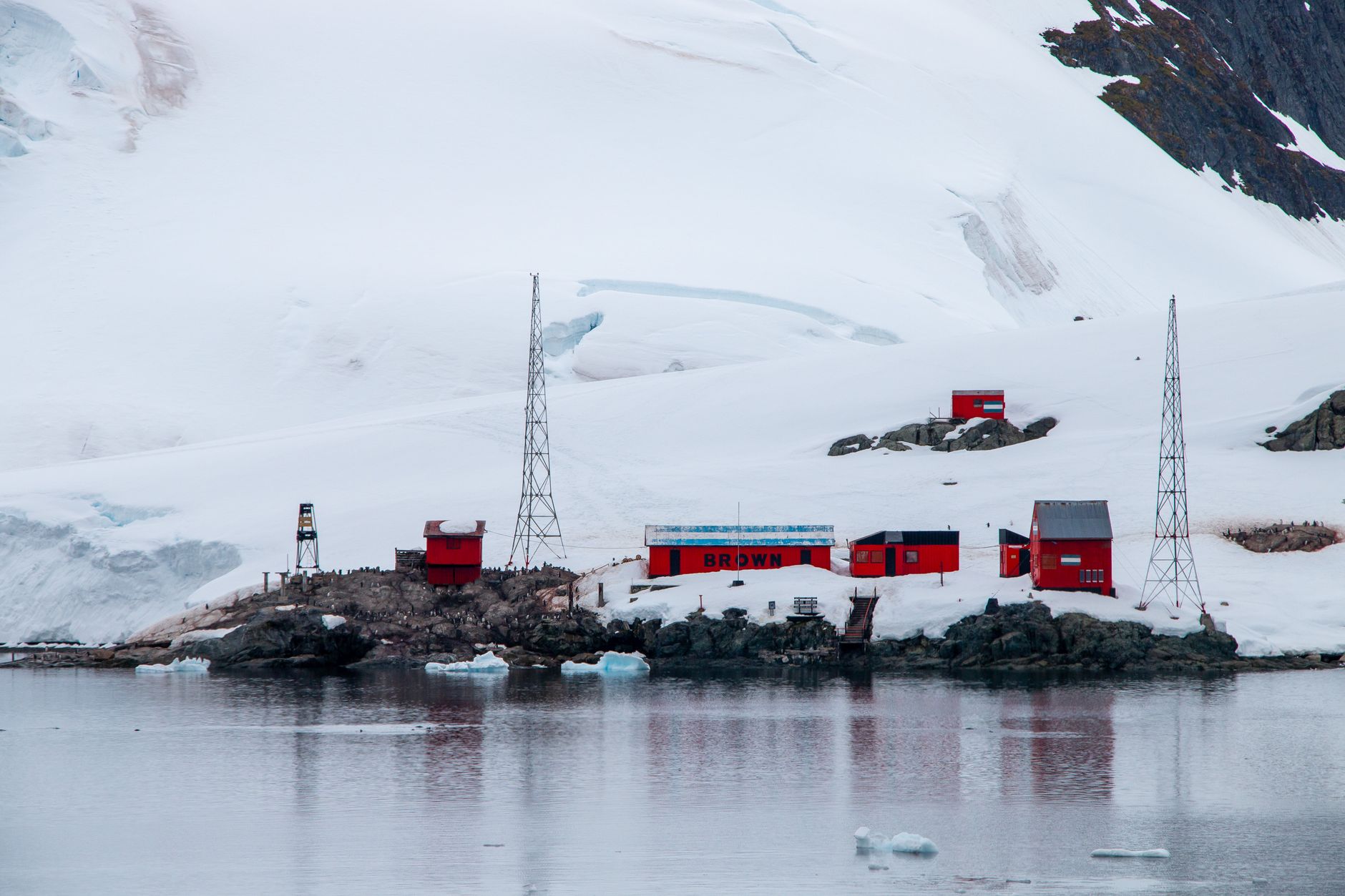
Photo by ArcticDesire.com Polarreisen on Pexels