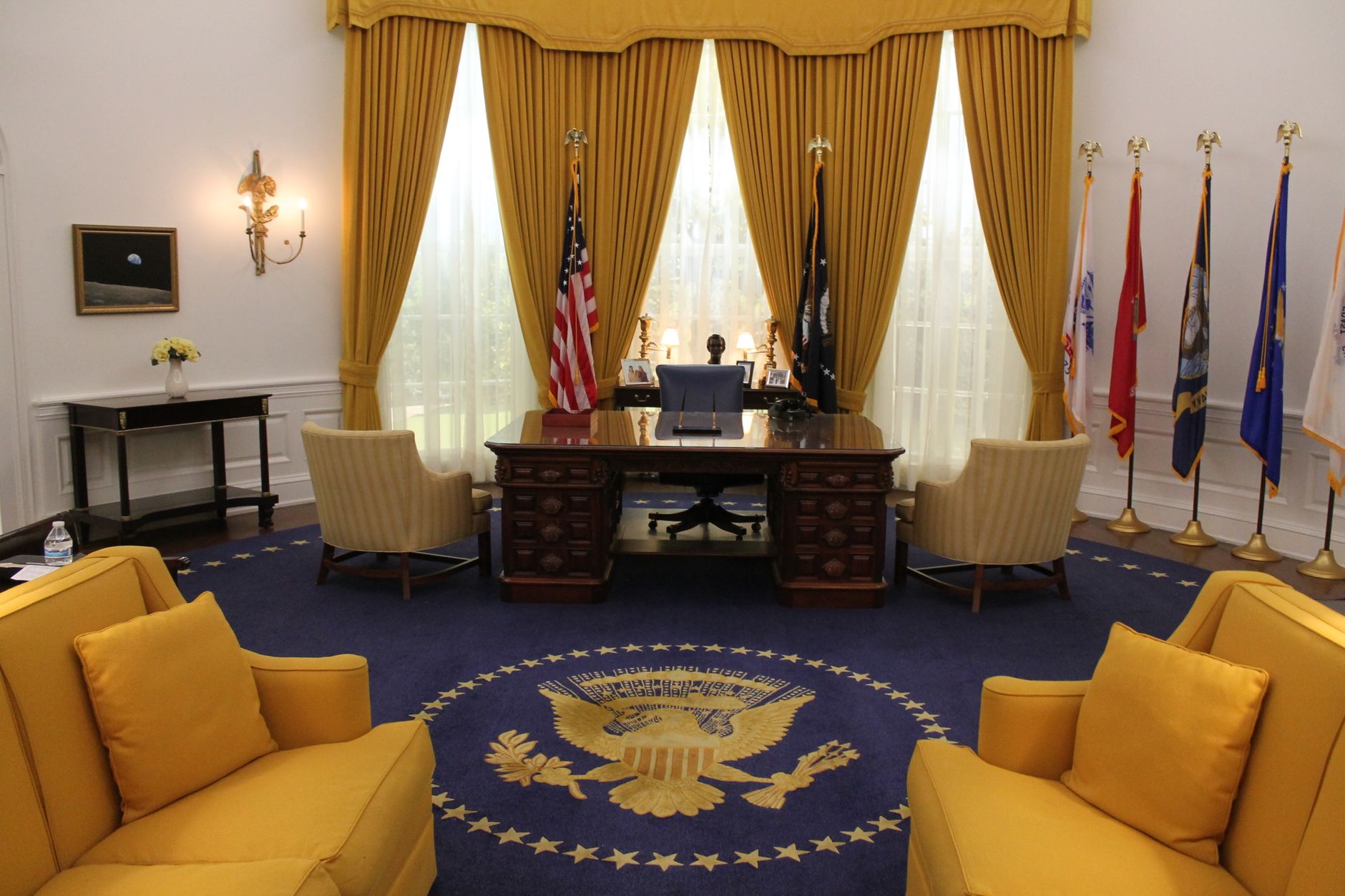
Oval Office national monument: Trump’s bold new move
Oval Office national monument is a significant step as Trump signs an order to preserve this iconic space. The decision has sparked discussions about its implications for history and culture.
Understanding the Oval Office national monument
The recent announcement surrounding the Oval Office national monument has sparked significant interest and debate among political analysts and the public alike. This bold move by former President Donald Trump aims to protect the historic space, ensuring its legacy for future generations.
By signing an executive order to designate the Oval Office as a national monument, Trump seeks to preserve not just the physical structure, but also the iconic status it holds in American political history. The Oval Office, known for its rich symbolism and pivotal role in decision-making, has seen countless historical events unfold within its walls.
Supporters of the initiative argue that:
- It safeguards a crucial part of American heritage.
- It promotes tourism and education related to presidential history.
- It reinforces the importance of the executive branch’s physical and symbolic spaces.
Critics, however, raise concerns about the implications of such a designation, questioning whether it is a necessary measure or a political maneuver. The debate continues as the nation reflects on the significance of the Oval Office national monument.
Implications of Trump’s executive order
Trump’s decision to designate the Oval Office national monument has far-reaching implications for both the political landscape and historic preservation efforts in the United States. This executive order not only emphasizes the significance of the Oval Office as a symbol of leadership but also brings attention to the need for safeguarding important governmental spaces.
Some potential implications include:
- Increased Tourism: The designation may boost interest in visiting the Oval Office, drawing both domestic and international tourists eager to experience a piece of American history.
- Political Debate: Critics argue that this move could be perceived as a political maneuver aimed at solidifying Trump’s legacy, while supporters may view it as a necessary step for preservation.
- Funding Opportunities: Designating the Oval Office as a national monument could unlock federal funding for preservation projects, ensuring that the site remains well-maintained for future generations.
Ultimately, the implications of Trump’s executive order extend beyond the walls of the Oval Office, shaping the conversation around historical significance and national identity.
Public reactions to the preservation
Public reactions to the preservation of the Oval Office national monument have been mixed, reflecting a range of opinions on Trump’s bold new move. Many supporters of the initiative argue that it is a necessary step to protect a symbol of American democracy.
- Support for preservation: Advocates believe that designating the Oval Office as a national monument ensures its historical significance is maintained for future generations.
- Concerns over politicization: Critics express worry that the move may be seen as an attempt to elevate Trump’s legacy at the expense of a more balanced historical narrative.
- Public engagement: Some citizens have taken to social media to share their thoughts, with hashtags related to the Oval Office national monument trending across platforms.
Overall, the response underscores the ongoing debate about how historical sites should be preserved and who gets to decide their significance. As the nation grapples with its past, the future of the Oval Office national monument remains a focal point of conversation.
Legal challenges ahead
The designation of the Oval Office national monument has ignited discussions about potential legal challenges. Critics argue that the executive order may exceed presidential authority, sparking debates over the limits of executive power.
Legal experts have outlined several key issues that could arise:
- Constitutional Authority: Opponents claim that the president may not have the constitutional right to unilaterally designate a site as a national monument.
- Impact on Future Administrations: There are concerns that this move could set a precedent, allowing future presidents to use similar actions for political aims.
- Environmental Regulations: Some fear that the preservation efforts could clash with existing regulations, leading to potential lawsuits from businesses and local governments.
As various stakeholders prepare to challenge the Oval Office national monument designation, the legal landscape is expected to become increasingly complex in the coming months.
Historical significance of the Oval Office
The Oval Office, a symbol of American leadership, holds significant historical value that transcends its physical boundaries. As the official workspace of the President, it has witnessed pivotal moments in U.S. history, from major legislative decisions to important diplomatic negotiations.
Established in 1909, the Oval Office has been a site of transformation under various administrations, each adding unique touches that reflect their leadership style. For instance, President Franklin D. Roosevelt famously utilized the room to communicate directly with the American public through fireside chats, while President John F. Kennedy held critical discussions during the Cuban Missile Crisis.
With Trump’s recent decision to designate the Oval Office national monument, the preservation of this iconic space aims to honor its legacy. The move underscores the importance of maintaining places that have shaped the nation’s political landscape. Beyond its architectural elegance, the Oval Office serves as a reminder of the enduring values of democracy and governance in America.
Photo by Kevin Wood on Pexels