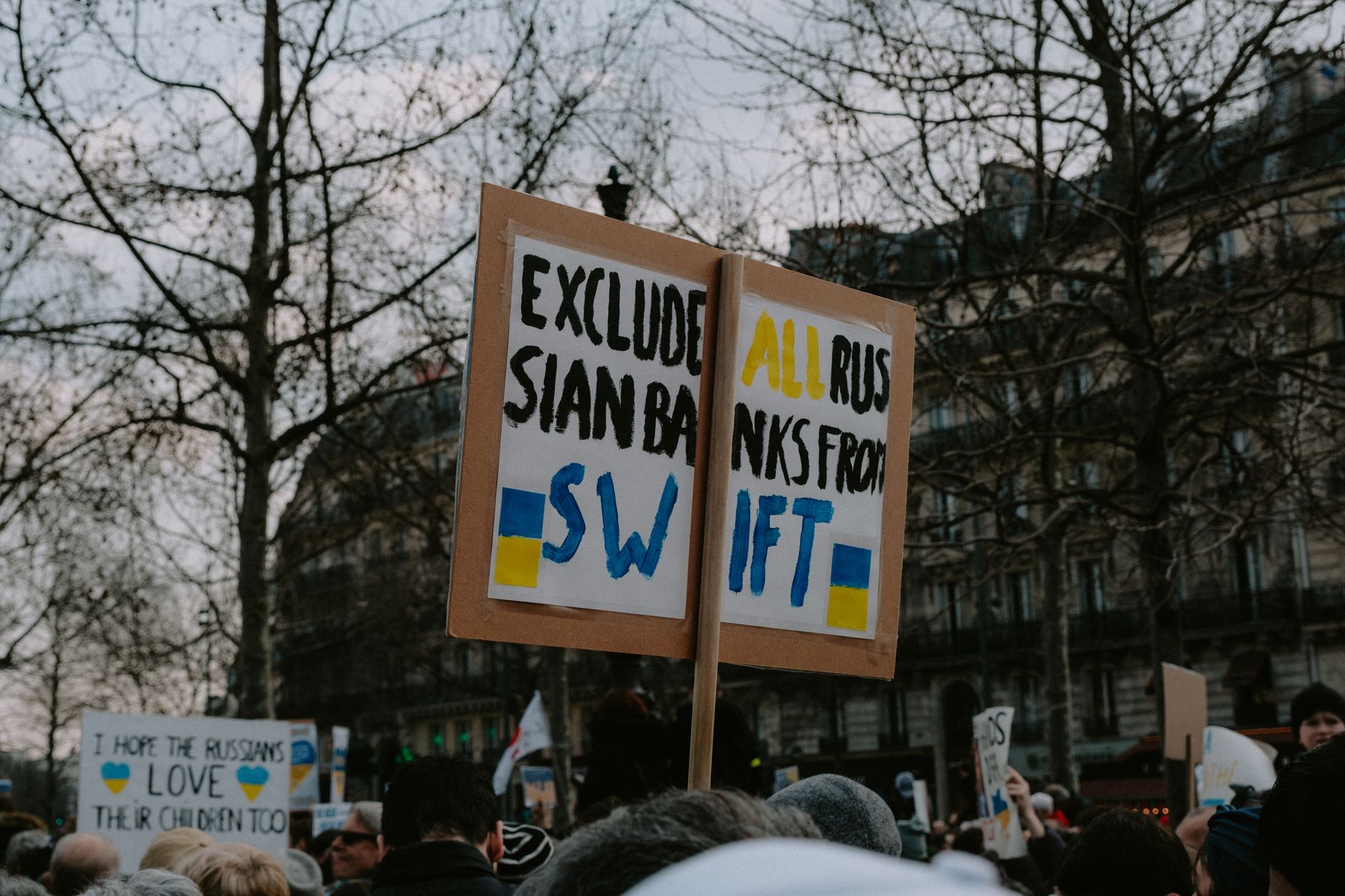
Russia sanctions waiver: The Right Move by Trump?
Russia sanctions waiver has become a controversial topic as Trump decides to lift tariffs before they take effect. This unexpected move has significant implications for international relations.
Understanding the Russia Sanctions Waiver
The recent decision by President Trump to implement a Russia sanctions waiver has sparked considerable debate among policymakers and analysts. This waiver allows certain businesses to operate without the burden of tariffs and sanctions that were set to take effect. Critics argue that this move undermines the efforts to hold Russia accountable for its actions, particularly regarding its influence in global affairs.
Supporters, however, believe the waiver could foster better diplomatic relations and encourage trade between the two nations. They argue that economic engagement may lead to a more stable geopolitical landscape. Here are some key points to consider:
- Economic Impact: The waiver may benefit American companies looking to expand their markets.
- Geopolitical Repercussions: Critics worry that it could embolden Russia’s aggressive actions.
- Future Relations: The waiver could be a stepping stone towards more constructive dialogues.
Ultimately, the effectiveness of such a waiver remains to be seen as the global community watches closely.
Implications of Trump’s Decision
The decision to implement a Russia sanctions waiver has sparked significant debate regarding its potential implications for both domestic and international politics. Observers are concerned about the effects this move may have on U.S. relations with key allies and adversaries alike.
Several implications arise from Trump’s decision:
- Strengthening Relations: The waiver could foster improved diplomatic ties with Russia, potentially leading to collaborative efforts on global issues such as terrorism and nuclear disarmament.
- Domestic Criticism: Critics argue that lifting sanctions undermines U.S. foreign policy and sends a message of leniency toward aggressive actions by the Kremlin.
- Market Reactions: Financial markets may respond positively to reduced trade barriers, but uncertainty remains about long-term consequences on economic stability.
Ultimately, the long-term effects of the sanctions waiver will depend on how it is perceived both domestically and internationally, as well as its impact on ongoing geopolitical dynamics.
Public Reaction to the Sanctions Waiver
The announcement of the Russia sanctions waiver has sparked a diverse array of public reactions across the political spectrum. Many supporters of President Trump view the decision as a strategic move aimed at fostering diplomatic relations and encouraging cooperation with Russia.
Conversely, critics argue that the waiver undermines the efforts to hold Russia accountable for its actions on the global stage. They express concern that this decision may embolden the Russian government, potentially leading to further geopolitical tensions.
Among the public, opinions are sharply divided:
- Supporters believe the waiver could pave the way for improved trade relations and economic benefits.
- Opponents fear it sends a message of weakness, compromising the integrity of U.S. foreign policy.
- Political analysts suggest that the long-term implications of this decision remain uncertain, with potential impacts on future international negotiations.
As the debate continues, the effectiveness of the sanctions waiver will be closely scrutinized in the coming months.
Legal Perspectives on Tariff Changes
As the debate surrounding the recent Russia sanctions waiver continues, legal experts are weighing in on the implications of Trump’s decision to revoke certain tariffs. The move raises significant questions about the executive’s authority in foreign policy and the limitations of Congress in sanctioning foreign nations.
Legal scholars point out several key factors:
- Presidential Authority: The Constitution grants the president significant power to control foreign relations, but this power is not absolute.
- Congressional Oversight: Historically, Congress has played a crucial role in shaping sanctions, and the waiver could be seen as undermining legislative intent.
- Potential Legal Challenges: Opponents of the waiver may pursue legal action, arguing that it violates established laws governing sanctions.
In summary, the legal landscape surrounding the Russia sanctions waiver is complex, with potential ramifications that could influence future policy decisions.
Photo by Mathias Reding on Pexels