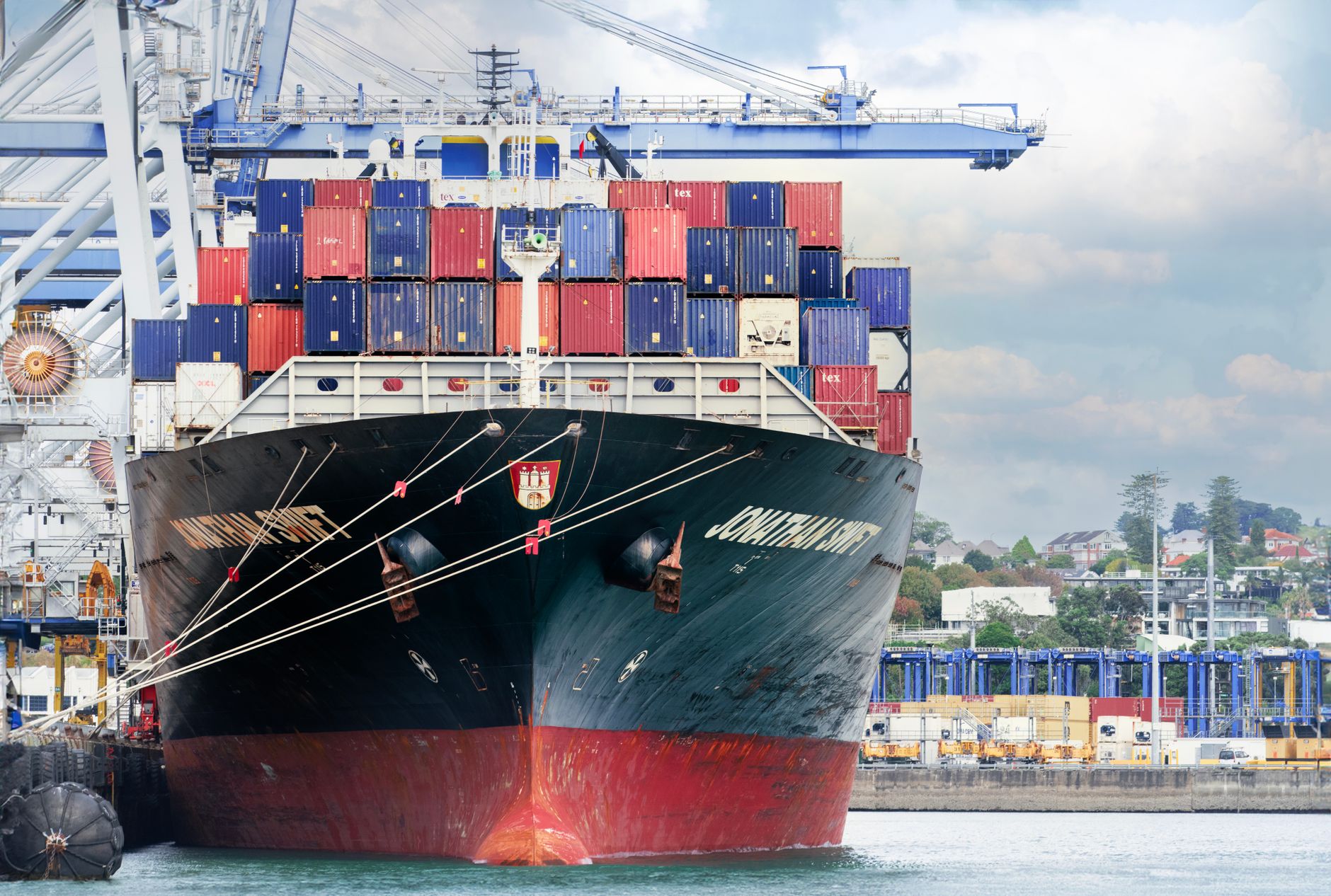
Is the India New Zealand free trade pact a Smart Move?
The India New Zealand free trade pact will come into force on October 20 following ratification. This agreement is expected to enhance trade relations between the two nations.
Overview of the India New Zealand Free Trade Pact
The India New Zealand free trade pact is set to come into force on October 20, following its ratification. This agreement aims to enhance economic ties between the two nations, promoting trade and investment opportunities. With a focus on reducing tariffs and facilitating smoother trade processes, the pact is anticipated to benefit a wide range of sectors including agriculture, manufacturing, and services.
Key objectives of the free trade pact include:
- Increased Market Access: Both countries aim to expand their market reach, allowing businesses to tap into new consumer bases.
- Tariff Reductions: The agreement seeks to progressively eliminate tariffs on various goods, making imports and exports more competitive.
- Boosting Bilateral Trade: By fostering a conducive environment for trade, both nations hope to significantly increase their trade volume.
- Strengthening Economic Ties: The pact is expected to facilitate collaboration in sectors such as technology, education, and tourism.
Supporters of the India New Zealand free trade pact argue that it is a strategic move that could pave the way for deeper economic cooperation and contribute to the overall growth of both economies. As the implementation date approaches, stakeholders are keenly observing the potential impacts of this agreement.
Key Benefits of the Agreement
The India New Zealand free trade pact is poised to bring several significant advantages for both nations, fostering economic growth and strengthening bilateral ties. Below are some of the key benefits of the agreement:
- Increased Trade Opportunities: The pact is expected to eliminate tariffs on a wide range of goods, making it easier for exporters in both countries to access each other’s markets. This can lead to a substantial increase in trade volume.
- Boost to Agriculture: New Zealand’s agricultural products will find a more welcoming market in India, while Indian farmers will gain access to advanced farming technology and practices from New Zealand.
- Job Creation: Enhanced trade and investment flows are likely to create new job opportunities in various sectors, including manufacturing and services, benefiting both economies.
- Strengthening Ties: The agreement is set to deepen the relationship between India and New Zealand, fostering cooperation not just in trade but also in areas like education and technology.
- Consumer Benefits: Consumers in both countries can expect a greater variety of products at competitive prices as tariffs are reduced, enhancing overall consumer choice.
In summary, the India New Zealand free trade pact is a strategic move that promises to yield multidimensional benefits for both nations.
Impact on Indian Businesses
The India New Zealand free trade pact is set to have significant implications for Indian businesses across various sectors. As the agreement takes effect, Indian companies are expected to experience both challenges and opportunities in the international market.
One of the primary impacts will be the reduction of tariffs on a range of products, which could enhance the competitiveness of Indian goods in New Zealand. This is particularly beneficial for industries such as:
- Textiles: The removal of tariffs can lead to increased exports of Indian textiles, which have a strong demand in New Zealand.
- Pharmaceuticals: Indian pharmaceutical companies may find new avenues for growth in the New Zealand market.
- Agriculture: Increased access for Indian agricultural products could also be a game changer for farmers.
However, Indian businesses must also navigate the challenges posed by New Zealand’s stringent quality standards and regulatory requirements. Adapting to these standards may require significant investment in processes and technology.
Moreover, local competition in New Zealand may intensify as the pact opens the door for New Zealand businesses to enter the Indian market. Thus, while the India New Zealand free trade pact presents promising prospects, Indian businesses will need to be strategic in their approach to fully capitalize on the benefits.
What to Expect After Ratification
The ratification of the India New Zealand free trade pact is set to bring significant changes to the economic landscape of both nations. Following the official implementation on October 20, businesses and consumers can expect a range of outcomes that will shape trade relations.
Here are some key expectations:
- Increased Trade Volume: The pact is likely to boost trade between India and New Zealand, allowing for an influx of goods and services that were previously subject to high tariffs.
- Market Access: Indian exporters will benefit from enhanced access to New Zealand’s markets, particularly in sectors such as textiles, pharmaceuticals, and IT services.
- Investment Opportunities: The agreement is expected to encourage mutual investments, providing Indian companies with opportunities to tap into New Zealand’s advanced technology and innovation sectors.
- Consumer Choices: With reduced tariffs, consumers in both countries will have access to a wider variety of products at competitive prices, fostering a more dynamic marketplace.
- Cultural Exchange: Strengthening trade ties may also enhance cultural exchanges, leading to greater collaboration in fields like education and tourism.
As the India New Zealand free trade pact takes effect, stakeholders will closely monitor these developments to assess its long-term impact.
Challenges Ahead for Implementation
The implementation of the India New Zealand free trade pact faces several challenges that could impact its effectiveness and overall success. While the agreement aims to enhance trade relations between the two nations, various factors need to be addressed to ensure smooth execution.
- Regulatory Hurdles: The divergence in regulatory standards and compliance requirements may pose significant difficulties for businesses seeking to take advantage of the new trade opportunities.
- Cultural Differences: Understanding and adapting to the cultural nuances of doing business in New Zealand is crucial for Indian exporters to thrive in this new environment.
- Logistical Challenges: Efficient transportation and distribution networks must be established to facilitate increased trade flows. Delays in logistics could undermine the anticipated benefits of the pact.
- Political Factors: Changes in government policies or trade relations due to shifting political landscapes in either country could also affect the implementation of the pact.
- Market Competition: Indian businesses may face stiff competition from established New Zealand firms, which could impact their market share and profitability.
Addressing these challenges is essential for the successful realization of the India New Zealand free trade pact, ensuring both nations can fully capitalize on the agreement’s potential benefits.
Future of Trade Relations Between India and New Zealand
The future of trade relations between India and New Zealand looks promising, especially with the recent ratification of the India New Zealand free trade pact. This agreement is set to enhance economic ties and create a framework for seamless trade and investment.
As both countries embark on this new chapter, several factors will play a crucial role in shaping their trade dynamics:
- Increased Market Access: The agreement is expected to open up new markets for Indian goods and services in New Zealand, while also allowing New Zealand exporters to tap into the vast Indian market.
- Sectoral Growth: Key sectors such as agriculture, pharmaceuticals, and information technology are poised for growth, benefiting from reduced tariffs and improved trade facilitation.
- Cultural Exchange: The pact may also foster greater cultural exchange and collaboration between businesses, enhancing bilateral relations beyond mere trade.
- Sustainability Focus: Both nations are likely to emphasize sustainable practices in trade, aligning with global trends towards environmental responsibility.
However, the success of the India New Zealand free trade pact will ultimately depend on effective implementation and the ability of both governments to address challenges that may arise in the future.
Photo by Miguel Cuenca on Pexels
References
Related stories
H-1B enforcement scrutiny: The Real Impact of Trump’s Order · IWT distortions: India’s Clear Demand for Credible Action · Parents Two Weeks’ Leave: Is This the Best New Law?