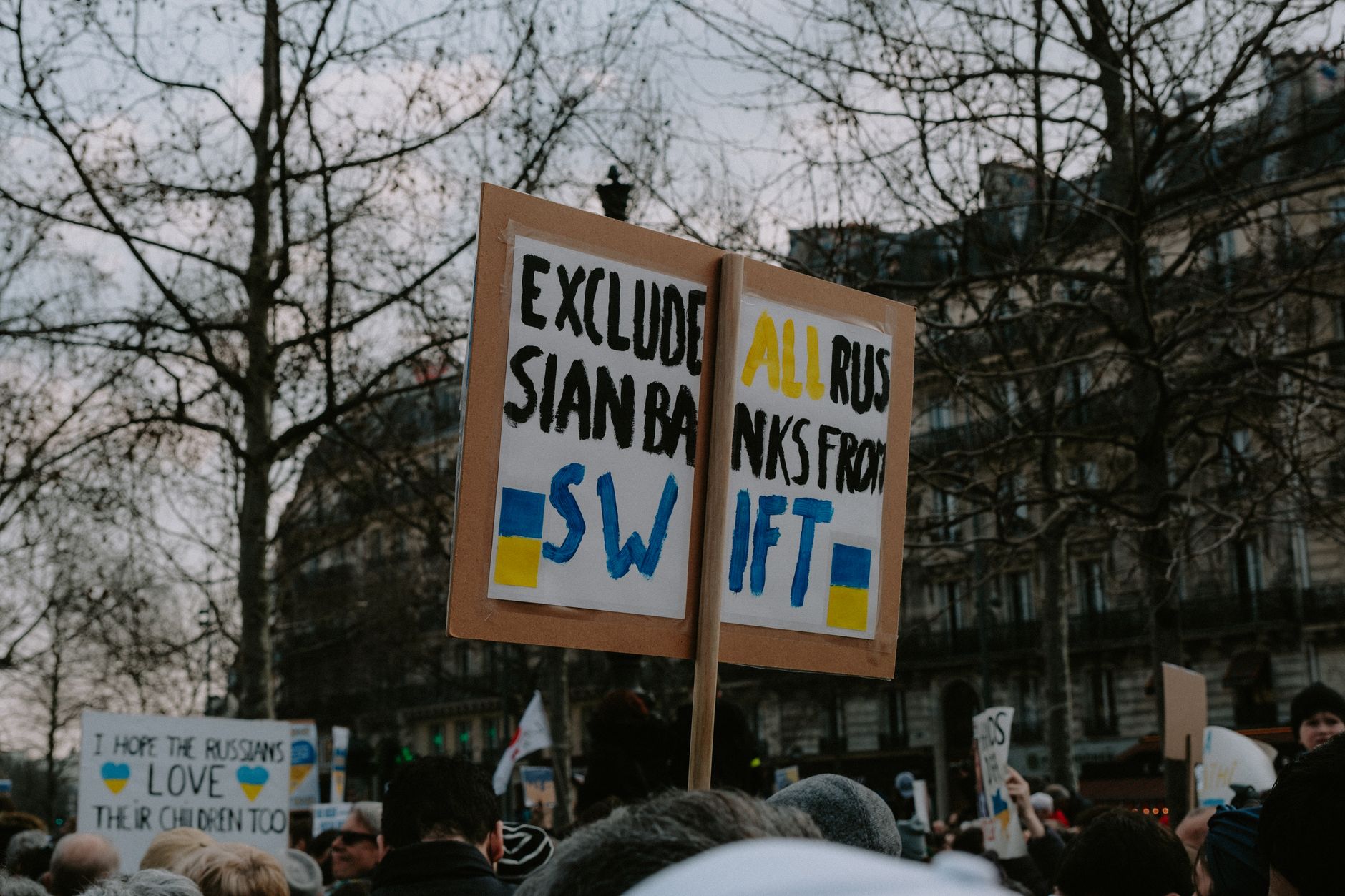
US Sanctioning Russia: The Right Approach to Foreign Policy
US Sanctioning Russia has become a focal point as Jaishankar raises India’s concerns regarding the implications of US legislation on international relations.
Overview of US Sanctioning Russia
The U.S. has implemented a series of sanctions targeting Russia as part of its broader foreign policy strategy. These measures aim to address various geopolitical concerns, including Russia’s actions in Ukraine and its influence in global affairs.
Key aspects of the U.S. sanctioning Russia include:
- Economic Restrictions: Limiting access to U.S. financial markets and services for Russian entities.
- Trade Barriers: Imposing tariffs and prohibiting the export of certain goods to Russia.
- Diplomatic Measures: Reducing diplomatic ties and increasing international pressure on Russia.
These sanctions have sparked debate globally, with some nations, including India, expressing concerns over their impact on international relations and the stability of various regions.
Jaishankar’s Diplomatic Efforts
In recent discussions, Indian External Affairs Minister S. Jaishankar has voiced India’s concerns regarding the implications of the US sanctioning Russia and Iran Act. He met with U.S. Senator Marco Rubio to address the potential impact of these sanctions on India’s strategic interests and its longstanding ties with Russia.
Jaishankar emphasized the need for a balanced approach in foreign policy, highlighting how excessive sanctions can strain international relations. He pointed out that India relies on Russia for defense supplies and other key sectors, which could be jeopardized by stringent measures.
During their meeting, Jaishankar and Rubio explored avenues for collaboration while acknowledging the complexities introduced by the sanctions. The dialogue reflects India’s commitment to maintaining its diplomatic stance amidst evolving global dynamics.
Overall, Jaishankar’s diplomatic efforts underscore the nuanced challenges faced by nations navigating U.S. foreign policy decisions.
Impact on India-US Relations
The ongoing US sanctioning of Russia has significant implications for India-US relations. As India navigates its strategic partnerships, it must balance its historical ties with Russia and its growing relationship with the United States. S. Jaishankar, India’s External Affairs Minister, has expressed concerns regarding the potential impact of these sanctions on India’s defense procurement and energy needs.
During discussions with US lawmakers, including Marco Rubio, Jaishankar emphasized that while India respects the US’s sovereign decisions, it is crucial to consider the unique geopolitical challenges faced by India. The Indian government seeks to ensure that its defense and energy interests are not compromised as a result of US sanctioning Russia and Iran.
India’s approach is focused on maintaining a balance that supports its national interests while fostering a positive and cooperative relationship with the United States.
Concerns Over Iran Sanctions
The recent discussions surrounding US sanctioning Russia have brought to light significant concerns regarding Iran sanctions as well. India’s External Affairs Minister, S. Jaishankar, has expressed apprehension over the potential implications of these sanctions on India’s strategic interests.
In a meeting with Senator Marco Rubio, Jaishankar highlighted the need for a balanced approach to foreign policy, particularly in the context of US sanctions that could inadvertently affect third-party nations.
Key points raised include:
- Economic repercussions for India stemming from the Iran Sanctions.
- The importance of maintaining energy security amidst geopolitical tensions.
- Concerns over the impact on regional stability in South Asia.
Jaishankar advocates for a more nuanced strategy that considers the broader implications of US sanctioning Russia and its effects on partner nations like India.
Global Reactions to US Legislation
The recent US legislation regarding sanctions on Russia has evoked a variety of global reactions, highlighting the complexities of international diplomacy. Countries across Europe and Asia are closely monitoring the implications of these sanctions, with many expressing concerns over their potential economic impact.
Prominent figures, including Indian External Affairs Minister S. Jaishankar, have raised issues surrounding the US sanctioning Russia, emphasizing the need for dialogue to address the concerns of affected nations.
- European Union: The EU has supported the US stance but is wary of its effects on European economies.
- China: China has criticized the sanctions, viewing them as an attempt to undermine its own influence.
- India: India seeks a balanced approach, aiming to maintain relations with both the US and Russia.
As global leaders respond, the long-term effects of these sanctions remain uncertain.
Future of International Sanctions
The future of international sanctions is increasingly complex, particularly in the context of US sanctioning Russia. As nations grapple with the effectiveness of sanctions, several factors will shape their implementation and impact.
Key considerations include:
- Global Cooperation: Nations must collaborate to ensure sanctions are effective and not circumvented.
- Legal Frameworks: Clear and consistent legal guidelines are essential to enforce sanctions without ambiguity.
- Economic Implications: Sanctions can have unintended consequences on global markets, necessitating careful evaluation.
- Humanitarian Concerns: Balancing sanctions with humanitarian needs is crucial to avoid harming civilian populations.
As the geopolitical landscape evolves, the approach to US sanctioning Russia will likely adapt, reflecting both strategic interests and ethical considerations.
Photo by Mathias Reding on Pexels