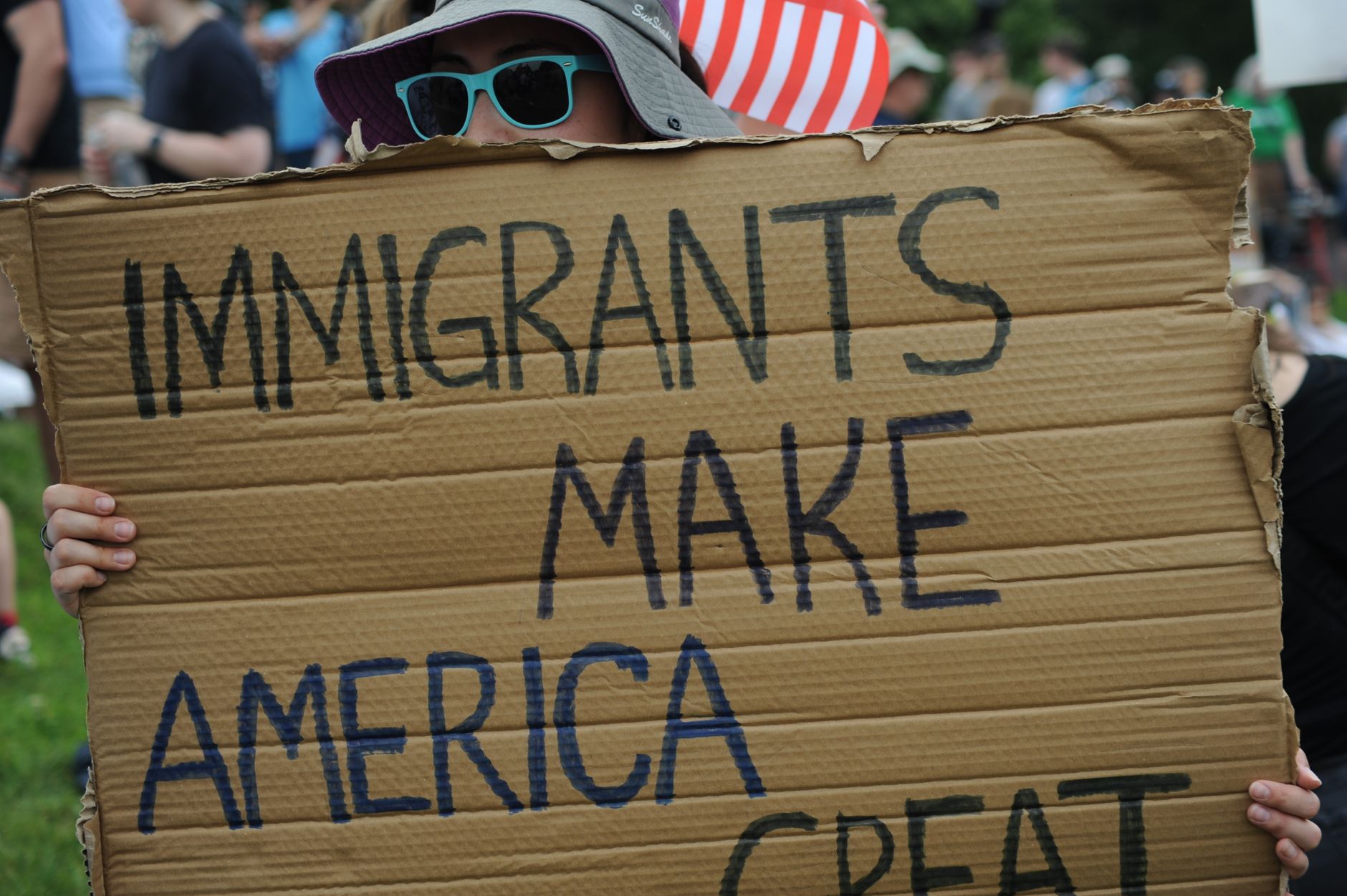
HUD Rule Immigrant Households: Wrong Impact on Families
HUD rule immigrant households is the latest issue igniting debate among advocates in Massachusetts. They pledge to fight against the new regulations that could significantly affect immigrant families’ rights.
Understanding the HUD Rule
The recent HUD rule regarding immigrant households has sparked significant concern among advocates and community leaders. This regulation aims to redefine eligibility for housing assistance, potentially affecting thousands of families who rely on these vital resources. Many fear that the rule will create barriers for immigrant households, leading to increased homelessness and housing instability.
Supporters of the rule argue that it is necessary to ensure that federal resources are allocated to those who have legal status. However, critics believe that this perspective overlooks the contributions of immigrant families to local economies and communities. They assert that these households play a crucial role in the workforce, often taking on essential jobs that support the function of society.
As debates continue, various advocacy groups have pledged to challenge the HUD rule in court. They assert that the policy undermines the values of inclusivity and support that are fundamental to American society. The ongoing discussions indicate a growing divide on how best to approach housing assistance for vulnerable populations.
Advocates’ Response to New Regulations
Advocates for immigrant rights have expressed strong opposition to the recent HUD rule affecting immigrant households, arguing that the changes will have detrimental effects on families in need of housing assistance. They believe the regulations will create unnecessary barriers for vulnerable populations, such as those seeking refuge from violence or persecution.
In response to the new HUD rule, advocates are mobilizing efforts to address the potential negative impact on communities. They have highlighted several key concerns:
- Increased housing instability: Many families may face eviction or homelessness as a result of the stricter requirements.
- Discrimination: The rule could exacerbate existing biases against immigrant households, making it harder for them to access essential services.
- Community impact: The reduction in eligible families could weaken local economies and disrupt community cohesion.
Advocates are calling for immediate action from lawmakers to repeal or amend the HUD rule to ensure that immigrant households continue to receive the support they need.
Impact on Immigrant Families
The recent HUD rule impacting immigrant households has raised significant concerns among community advocates and families alike. Many argue that this regulation threatens to exacerbate existing inequalities and create barriers for those seeking stable housing.
Families affected by the rule face numerous challenges, including:
- Increased housing instability: Immigrant households may struggle to find affordable housing options due to stricter eligibility criteria.
- Fear of repercussions: Many families worry that applying for housing assistance could lead to negative consequences for their immigration status.
- Social isolation: The rule could push immigrant families into more secluded neighborhoods, limiting their access to essential services and community support.
Advocates emphasize that the HUD rule on immigrant households not only threatens the well-being of affected families but also undermines the overall mission of fostering inclusivity and diversity within housing policies. The ongoing discourse reflects a broader struggle for justice and equity in housing access for all residents, regardless of their immigration status.
Legal Implications of the Rule
The recent HUD rule on immigrant households has raised significant legal concerns among advocacy groups and immigration lawyers. Many believe that the regulation poses a threat to the rights of immigrant families and could lead to increased discrimination in housing practices.
One of the primary legal implications of the rule is its potential violation of existing anti-discrimination laws. Critics argue that the rule could create a chilling effect, discouraging landlords from renting to immigrant families due to fears of legal repercussions or financial penalties.
Furthermore, legal experts suggest that the HUD rule may conflict with the Fair Housing Act, which aims to protect individuals from discrimination based on national origin. As such, there are questions about whether the rule will hold up in court if challenged by affected parties.
Advocates are preparing to mount legal challenges, citing a lack of consideration for the impact on vulnerable populations. They argue that the HUD rule on immigrant households undermines the foundational principles of equity and justice in housing.
Community Reactions and Support
Community reactions to the newly implemented HUD rule affecting immigrant households have been overwhelmingly negative. Many local organizations and advocates are rallying support to challenge the regulations, emphasizing the detrimental effects on vulnerable families.
Local resident Maria Gonzalez expressed her concerns, stating, “This rule will only increase the fear and uncertainty among immigrant families who are already struggling.” Many families worry about their housing stability as they face the possibility of losing assistance.
Supporters of the movement have organized numerous events to raise awareness and garner support. They argue that the HUD rule targeting immigrant households undermines the principle of equity in housing. Some key points raised in community meetings include:
- Increased homelessness: Many fear that families will be forced out of their homes.
- Economic impact: Loss of housing assistance could lead to higher poverty rates in immigrant communities.
- Community cohesion: The rule threatens the fabric of neighborhoods that rely on diversity.
As advocacy efforts continue, community members remain hopeful for a reversal of the HUD rule’s harmful effects.
Future of Housing Policy
The future of housing policy in the United States faces significant challenges, particularly in light of the recent HUD rule affecting immigrant households. Critics argue that this rule threatens to exacerbate existing inequalities in housing access, potentially pushing vulnerable families further into precarious living situations.
As policymakers contemplate adjustments to housing regulations, the voices of advocates will be crucial in shaping a more inclusive approach. Many organizations are mobilizing to address the negative implications of the HUD rule, emphasizing the need for comprehensive solutions that cater to the diverse needs of all families.
Key considerations for future housing policy include:
- Equity and Accessibility: Ensuring that immigrant households have equitable access to housing opportunities.
- Community Involvement: Engaging local communities in discussions about housing needs and solutions.
- Long-term Support: Developing programs that provide sustained assistance to families at risk of displacement.
Ultimately, the direction of housing policy will be determined by how effectively advocates and policymakers work together to create a more equitable landscape.
Next Steps for Advocacy Groups
Advocacy groups are mobilizing to address the challenges posed by the new HUD rule impacting immigrant households. As these regulations threaten to undermine housing security for many families, organizations are strategizing on effective approaches to counter the negative consequences.
Key next steps for these groups include:
- Public Awareness Campaigns: Advocates plan to launch initiatives to educate the public about the implications of the HUD rule and its potential impact on immigrant households.
- Legal Challenges: Several organizations are exploring the possibility of filing lawsuits to contest the legality of the new regulations, arguing that they violate anti-discrimination laws.
- Coalition Building: Groups are working to form coalitions with other housing and civil rights organizations to amplify their voices and strengthen their advocacy efforts.
- Policy Recommendations: Advocates aim to propose alternative housing policies that promote inclusivity and protect immigrant families from discrimination.
These efforts are crucial in ensuring that immigrant households are not disproportionately affected by the HUD rule.
The recent changes to the HUD rule immigrant households policy have raised concerns among advocates for low-income families. Many believe that the HUD rule immigrant households will lead to increased housing instability for vulnerable communities.
Photo by Germar Derron on Pexels
Sources
Related reading
NSW Homeowner Rules: Worst Changes Halted for Safety · Telangana gig workers law: Clear Benefits for Workers · Politics-Proof Investments: The Smart Law You Need