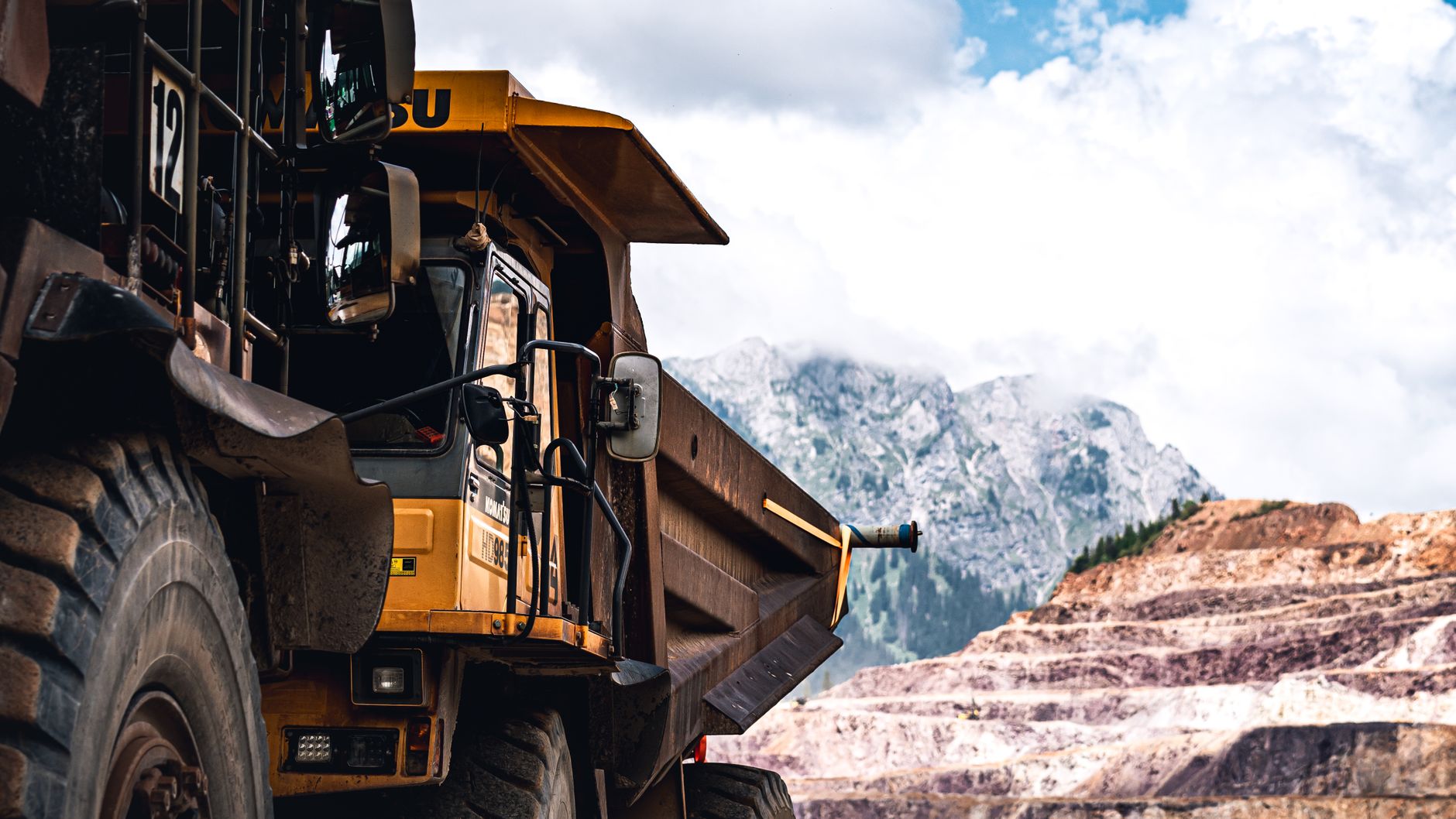
Public Lands Mining: The Worst Impact on Conservation
public lands mining is becoming a critical issue as Trump puts 25 million acres on the chopping block for mining and drilling. This decision raises concerns about environmental impacts and conservation efforts.
Overview of Public Lands Mining
Public lands mining has emerged as a contentious issue, particularly in light of recent governmental decisions that threaten vast areas of protected landscapes. The move to open up 25 million acres of critical public lands for mining and drilling has raised alarm among conservationists and environmentalists alike. These lands, which were designated to preserve biodiversity and protect natural habitats, are now at risk of significant degradation.
The implications of public lands mining extend beyond the immediate environmental impact. It disrupts ecosystems, threatens wildlife habitats, and contributes to pollution. Key concerns include:
- Habitat Destruction: Mining operations can lead to the destruction of critical habitats for numerous species.
- Water Contamination: The chemicals used in mining processes can leach into nearby water sources, affecting both wildlife and human populations.
- Climate Change: Increased mining activities contribute to greenhouse gas emissions, exacerbating the climate crisis.
- Public Health Risks: Communities near mining sites may face health risks due to pollution and dust from operations.
As the debate intensifies, it is crucial to consider the long-term consequences of prioritizing mining over conservation. Protecting public lands is essential for preserving biodiversity and ensuring sustainable ecosystems for future generations.
Impact on Conservation Efforts
The expansion of public lands mining has raised significant concerns regarding its detrimental effects on conservation efforts across the country. As mining activities increase, the delicate ecosystems that thrive on these public lands are put at risk, leading to irreversible damage.
One of the primary impacts of mining is habitat destruction. The process often involves extensive land clearing and excavation, which disrupts local flora and fauna. As wildlife habitats are destroyed or fragmented, many species face increased threats of extinction and declining populations. For example:
- Species that rely on specific habitats for breeding and feeding are particularly vulnerable.
- Pollution from mining runoff can contaminate water sources, further endangering aquatic life.
Additionally, the introduction of roads and infrastructure necessary for mining operations can lead to increased human activity, which often exacerbates the situation. This human encroachment can result in:
- Wildlife disturbances, as animals are forced to adapt to new threats.
- Invasive species spreading more easily into disturbed areas, outcompeting native species.
In conclusion, the push for public lands mining not only compromises conservation efforts but also threatens the very essence of biodiversity that these areas were meant to protect.
Legal Challenges Ahead
As public lands mining continues to face scrutiny, legal challenges are mounting against the recent push to exploit these critical areas. Environmental groups and advocacy organizations are gearing up for a series of lawsuits aimed at halting the government’s efforts to open up millions of acres to mining and drilling activities. These legal battles are grounded in concerns over the long-term ecological impacts and the violation of conservation laws.
In recent announcements, the Trump administration has proposed to make 25 million acres of public lands available for mining, a move that has raised alarm among conservationists. They argue that such actions threaten not only wildlife habitats but also the very essence of the natural landscapes that many Americans cherish.
Legal experts suggest that these upcoming lawsuits will center around several key arguments:
- Violation of Environmental Regulations: Opponents argue that the government is bypassing necessary environmental reviews.
- Infringement on Indigenous Rights: Many of these lands hold cultural significance for Indigenous communities, raising additional legal concerns.
- Public Interest: Advocates will assert that public sentiment is overwhelmingly against the degradation of these lands for profit.
As these legal challenges unfold, the future of public lands mining remains uncertain, with conservationists hopeful for a favorable outcome that protects these vital ecosystems.
Public Response and Activism
The recent announcement regarding the potential opening of 25 million acres of critical public lands for mining and drilling has sparked outrage among environmentalists and local communities. Many are voicing their concerns about the detrimental effects public lands mining could have on fragile ecosystems and biodiversity.
Activism is gaining momentum as various organizations and citizens rally to protect these vital resources. Grassroots campaigns are emerging across the nation, advocating for the preservation of public lands. Social media platforms are flooded with calls to action, urging individuals to participate in peaceful protests and sign petitions aimed at halting these mining plans.
Many activists are stressing the importance of sustainable practices and the need for stronger legal protections for public lands. They argue that mining not only threatens wildlife but also disrupts local communities that rely on these lands for recreation and tourism. “We cannot afford to lose our natural heritage for short-term gain,” stated a prominent conservationist during a recent rally.
In response, a coalition of environmental groups has organized a series of town hall meetings to educate the public on the implications of public lands mining. These events aim to empower citizens to engage with their local representatives and advocate for policies that prioritize conservation over exploitation.
Future of Public Lands
The future of public lands mining remains uncertain as environmental advocates and policymakers grapple with the implications of recent decisions. With significant portions of public lands being opened for extraction, the balance between economic opportunity and environmental preservation is increasingly under threat.
Recent developments have highlighted the critical need for protective measures. The decision to allow mining on expansive tracts of public lands raises concerns about habitat destruction, water quality, and biodiversity loss. As such, the future landscape of public lands could be drastically altered if current policies continue unchecked.
Key stakeholders are stepping up efforts to safeguard these vital areas. Conservation groups, local communities, and even some lawmakers are advocating for stronger regulations to limit mining activities. They argue that the long-term health of ecosystems must take precedence over short-term economic gains.
- Proposed legislation aims to designate more areas as protected zones, restricting mining operations.
- Public awareness campaigns continue to educate citizens about the importance of conservation.
- Collaboration with Indigenous groups seeks to incorporate traditional ecological knowledge into land management practices.
Ultimately, the future of public lands mining will be shaped by ongoing activism and the collective push for policies that prioritize environmental sustainability over resource extraction. The fight is far from over, and the direction taken now could define the conservation landscape for future generations.
Key Takeaways from Trump’s Proposal
Key takeaways from Trump’s recent proposal regarding public lands mining reveal significant concerns for conservationists and environmental advocates alike. The proposal aims to open up 25 million acres of protected public lands for mining and drilling, which many believe could have devastating effects on local ecosystems.
Some important points to consider include:
- Environmental Impact: The potential for habitat destruction and pollution from increased mining activities on public lands could disrupt wildlife and degrade natural resources.
- Legal Challenges: The proposal is expected to face numerous legal challenges from environmental groups that argue it violates existing conservation laws.
- Public Opposition: A significant portion of the public has voiced strong opposition to the proposal, emphasizing the importance of preserving these lands for future generations.
- Economic Factors: While proponents argue that mining could provide economic benefits, critics highlight the long-term costs associated with environmental degradation and loss of biodiversity.
- Activist Mobilization: Various activist groups are mobilizing to protect public lands, urging citizens to engage in advocacy efforts to stop the proposal.
As the debate continues, the implications of public lands mining on conservation efforts remain a pressing concern for many stakeholders involved.
Photo by Usame Dzinovic on Pexels