Food Safety Order: Tukaram Mundhe Clears Misunderstanding
The food safety order has sparked confusion, but Tukaram Mundhe clarifies that food safety order does not prohibit any religious or cultural activities.
Understanding the Food Safety Order
The recent clarification by Tukaram Mundhe regarding the food safety order has alleviated concerns among various communities. Many individuals initially believed that the order might impose restrictions on religious and cultural activities related to food. However, Mundhe emphasized that no such prohibitions exist.
To better understand the implications of the food safety order, it is essential to consider the following points:
- Purpose of the Order: The primary aim of the food safety order is to ensure that all food products meet safety standards, protecting public health.
- Scope: The order applies to food vendors, restaurants, and manufacturers, focusing on hygiene and safety protocols.
- No Restrictions on Cultural Practices: Mundhe clarified that the order does not interfere with traditional practices and rituals that involve food during festivals and religious events.
- Public Awareness: There is a call for increased public awareness regarding food safety to prevent misunderstandings and promote compliance with the regulations.
In light of these clarifications, residents are encouraged to engage with local authorities for more information about the food safety order, ensuring a comprehensive understanding of its benefits and guidelines. This proactive approach aims to foster a harmonious environment where cultural and religious practices can coexist alongside necessary health regulations.
Tukaram Mundhe’s Statement
Tukaram Mundhe, the Commissioner of the Food Safety Department, addressed the recent misunderstandings surrounding the food safety order that sparked controversy among various community groups. In his statement, he emphasized that the order was misinterpreted and does not impose any prohibitions on religious or cultural activities.
Mundhe clarified that the primary goal of the food safety order is to ensure the safety and quality of food consumed by the public. He stated, “Our intention is to protect consumers and promote public health, not to interfere with cultural traditions.” He further explained that the order aims to regulate food establishments to prevent contamination and ensure hygiene standards are met.
To alleviate concerns, Mundhe outlined several key points regarding the implementation of the order:
- Transparency: The Food Safety Department will maintain open communication with community leaders to address any concerns about the order.
- Support: Training sessions will be organized for food vendors to help them comply with safety regulations without compromising their cultural practices.
- Monitoring: Regular inspections will focus on ensuring food safety while respecting local customs and traditions.
By providing clarity on the food safety order, Mundhe aims to build trust within the community and promote a collaborative approach to food safety.
Impact on Religious Activities
The recent clarifications regarding the food safety order have significant implications for religious activities within the community. Many individuals expressed concern that the order would impose restrictions on traditional practices and cultural events. However, Tukaram Mundhe has emphasized that no religious or cultural activities are prohibited under this order.
This clarification aims to reassure community members that their cherished traditions can continue without interference. Mundhe stated, “The food safety order is designed to ensure the health and safety of all food products, but it does not aim to undermine cultural practices.” The announcement has sparked a wave of relief among local religious leaders and community members who feared that their festivals and rituals could be affected.
In response to the misunderstanding, various community organizations have come together to support the safe preparation and distribution of food during religious events. Some key initiatives include:
- Workshops on food safety practices to educate participants about safe food handling.
- Collaborations with local health authorities to ensure compliance with the food safety order while respecting cultural norms.
- Community dialogues to address concerns and promote transparency regarding the order’s implementation.
Overall, the impact of the food safety order on religious activities appears to be minimal, as the focus remains on preserving health while honoring cultural traditions.
Public Reaction to the Order
Public reaction to the recent Food Safety Order has been a mix of confusion and relief, particularly following Tukaram Mundhe’s clarifications. Many community members initially feared that the order would disrupt their cultural and religious practices, leading to widespread concern across various groups.
In response to these fears, several community leaders organized discussions to address misconceptions surrounding the order. They emphasized that the Food Safety Order does not prohibit any religious or cultural activities but instead aims to ensure the safety and hygiene of food served during these events.
Amid these discussions, community members shared their thoughts:
- “We were worried that our festivals would be affected, but now we understand it is just about safety.”
- “It’s crucial to have guidelines, but they shouldn’t interfere with our traditions.”
- “We appreciate the clarity provided by the officials, and we are committed to following the safety protocols.”
The clarifications made by Mundhe have helped to alleviate some of the tension, allowing communities to refocus on their celebrations while adhering to food safety measures. As discussions continue, many hope that ongoing communication will foster a better understanding of the Food Safety Order and its intent.
Legal Implications of Food Safety
The recent clarification by Tukaram Mundhe regarding the food safety order has raised important legal implications that stakeholders must consider. Understanding the framework of the Food Safety Order is crucial for both businesses and consumers. It outlines the standards and regulations necessary to ensure public health while allowing for cultural sensitivities.
Legal experts emphasize that the order serves as a guideline rather than a prohibition. It aims to protect consumers from unsafe food practices while promoting compliance among vendors. This balance is critical, particularly in a diverse society where food plays a central role in cultural and religious expressions.
Moreover, compliance with the food safety order includes adhering to hygiene practices, proper food handling, and transparent sourcing of ingredients. Non-compliance can lead to severe penalties, including fines and the potential closure of establishments. Therefore, it is imperative that food vendors understand their responsibilities under this order.
In light of the recent statements, stakeholders, including business owners and community leaders, are encouraged to engage in dialogue to clarify any remaining uncertainties. This proactive approach will not only ensure compliance but also foster a deeper understanding of food safety regulations among the public.
- Key Takeaways:
- Food safety order aims to protect public health.
- Compliance is essential for vendors to avoid penalties.
- Ongoing dialogue is necessary for clarity and cooperation.
Cultural Considerations in Food Safety
As discussions surrounding the food safety order intensify, it is crucial to consider the cultural implications that accompany such regulations. Food is not merely sustenance; it plays a vital role in various cultural and religious practices. Tukaram Mundhe’s recent clarification has shed light on the importance of respecting these traditions while ensuring public health.
In many communities, food is intertwined with identity and heritage. Maintaining cultural practices related to food preparation and consumption is essential for social cohesion. The food safety order aims to safeguard public health but must do so while honoring these cultural dimensions. Failure to recognize this could lead to unrest and misunderstandings within the community.
Some key cultural considerations include:
- Traditional Recipes: Many families pass down recipes that have been used for generations. These recipes often incorporate specific ingredients and methods that are integral to cultural identity.
- Religious Observances: Certain foods have significant religious meanings, and their preparation and consumption often occur during important rituals.
- Community Gatherings: Meals shared during festivals and celebrations foster community spirit, making it vital that food safety orders accommodate these events.
By integrating cultural considerations into the food safety order, authorities can ensure that public health measures do not inadvertently disrupt community harmony, fostering a more inclusive atmosphere.
Clarifying Misunderstandings
In recent discussions surrounding the food safety order, Tukaram Mundhe has taken significant steps to clarify misconceptions that have arisen. He emphasized that the order is not intended to infringe upon religious or cultural practices, which have been a point of contention for many community members. According to Mundhe, the primary objective of the food safety order is to ensure public health and safety, rather than to restrict personal freedoms or traditions.
Mundhe stated, “Our goal is not to disrupt any religious or cultural activities but to promote safe food consumption among all citizens.” He addressed concerns that the order could limit the communal sharing of food during festivals or other gatherings. “The guidelines are here to protect everyone, and there are no restrictions on cultural expressions,” he added.
To further clarify the intentions behind the order, Mundhe organized a series of community meetings aimed at engaging with citizens directly. During these meetings, he outlined the key points of the food safety order and invited feedback from attendees. The response has been largely positive, with many participants appreciating the opportunity to voice their opinions and seek clarification.
This initiative has fostered a better understanding of the order, helping to alleviate fears and reinforce the importance of food safety in maintaining public health.
Future of Food Safety Regulations
The future of food safety regulations appears to be evolving as authorities seek to clarify and strengthen their guidelines. The recent food safety order issued by Tukaram Mundhe has sparked a significant dialogue among stakeholders, including food vendors, cultural organizations, and the general public. This dialogue is essential for ensuring that safety measures are not only effective but also respectful of the diverse cultural practices within the community.
In the wake of misunderstandings, it has become evident that ongoing education about food safety is crucial. Authorities are looking to implement training programs for food handlers to emphasize the importance of hygiene and safe food practices. These initiatives aim to bridge the gap between compliance and cultural sensitivity.
Furthermore, community engagement will play a pivotal role in the future of food safety regulations. By involving local leaders and residents in discussions, the governing bodies can gain insights into the unique challenges faced by different communities, allowing for tailored solutions that meet both safety standards and cultural needs.
As regulations continue to develop, stakeholders are encouraged to remain proactive in their approach. Understanding the implications of the food safety order and participating in dialogues will ensure that safety does not conflict with cultural practices, fostering an environment where both can coexist harmoniously.
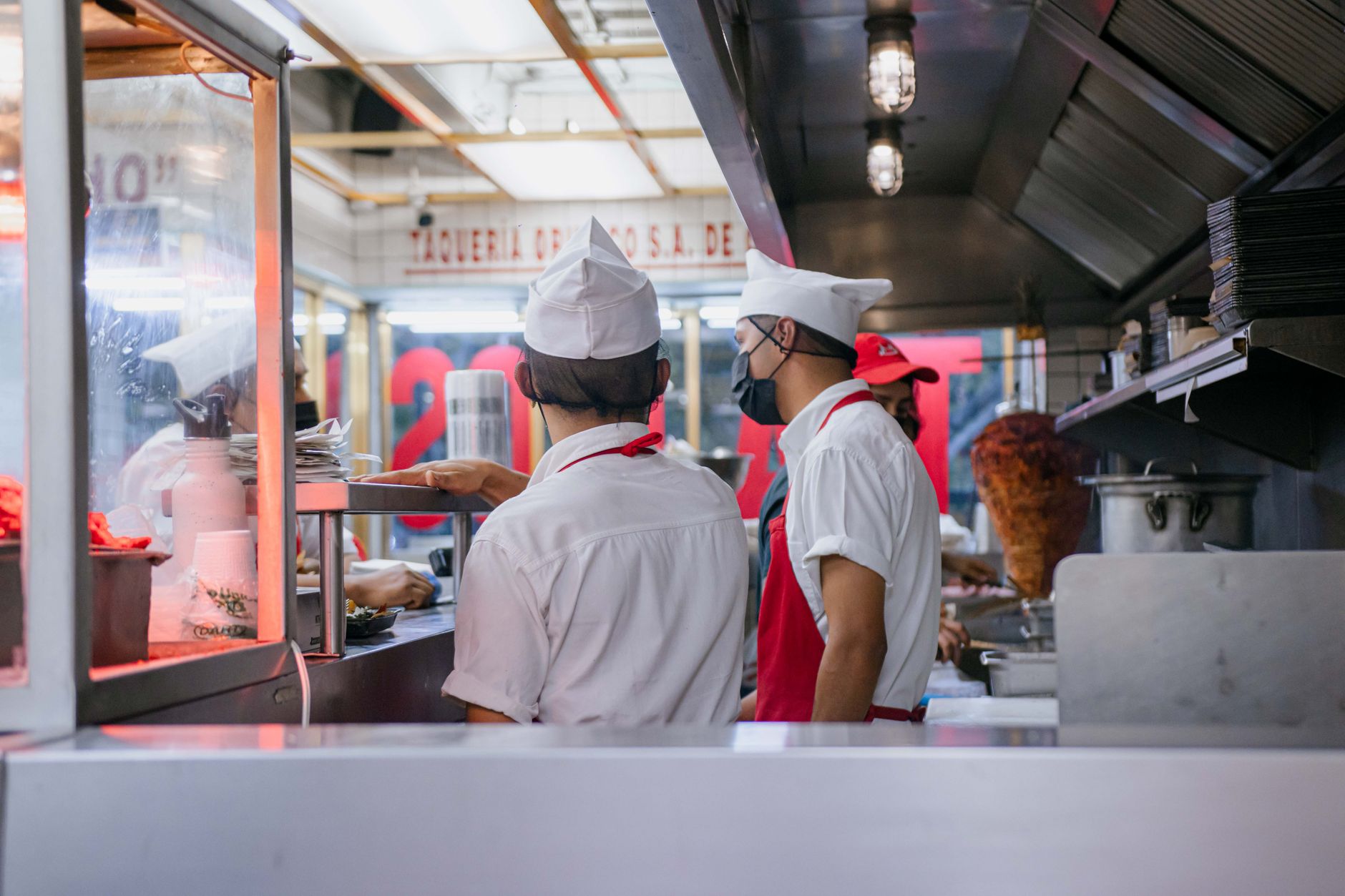
Photo by Ali Alcántara on Pexels