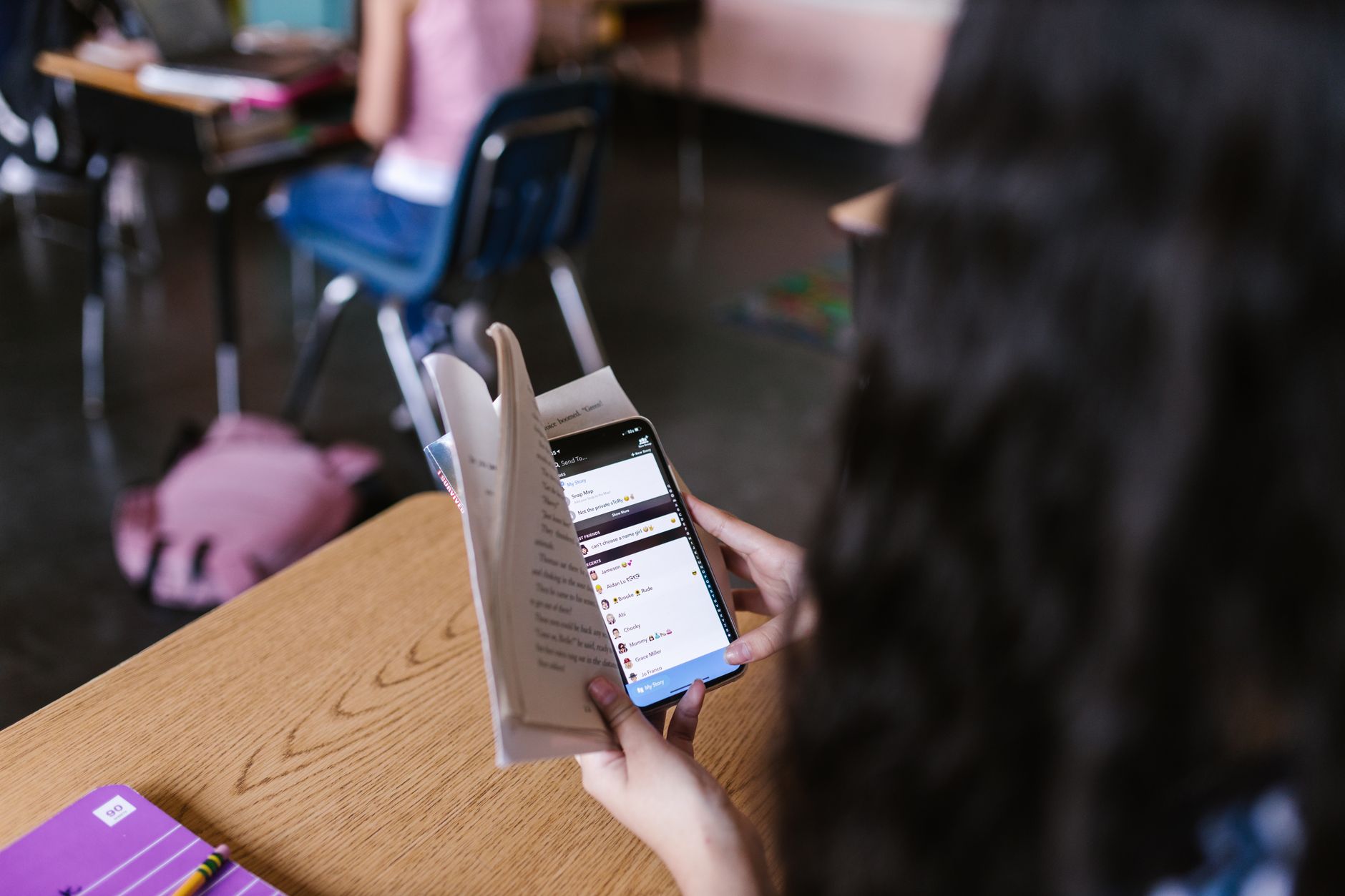
School Mobile Phone Rules: Clear Changes for Parents
School Mobile Phone Rules are evolving, impacting both pupils and parents. This article explores the recent changes and their implications.
Overview of New School Mobile Phone Rules
Recent changes to the school mobile phone rules in England have sparked discussions among parents and educators alike. The new regulations aim to create a more focused learning environment by limiting phone usage during school hours.
Under the revised guidelines, schools are encouraged to implement stricter policies regarding mobile phone access. These measures include:
- Complete bans on mobile phone use during classes.
- Designated areas for phone storage, ensuring devices are not accessible throughout the school day.
- Clear consequences for students who violate the rules, promoting accountability.
Parents are urged to engage with these new school mobile phone rules and understand their implications for their children’s education. By supporting the schools’ efforts, they can help foster a more productive atmosphere conducive to learning. As these changes take effect, schools will be monitoring their impact on student behavior and academic performance closely.
Impact on Pupils and Their Learning
The recent changes to school mobile phone rules are set to significantly impact pupils and their learning. With the increasing presence of mobile devices in classrooms, schools are striving to create an environment that fosters concentration and engagement.
Many educators believe that restricting mobile phone usage can lead to improved academic performance. By limiting distractions, students can focus more on lessons and participate actively in discussions. The new rules aim to encourage this shift, creating a more conducive learning atmosphere.
However, the implementation of these rules has raised concerns among parents. Some worry that a complete ban may hinder students’ ability to stay connected with family during school hours. To address these concerns, schools are encouraged to provide clear guidelines on when and how phones can be accessed.
- Enhanced Focus: Less distraction during lessons.
- Increased Engagement: More active participation in class.
- Parental Concerns: Importance of communication with children.
Ultimately, the balance between enabling learning and ensuring safety remains crucial.
What Parents Need to Know
As schools across England implement new regulations regarding mobile phone usage, parents must stay informed about the School Mobile Phone Rules. These changes aim to enhance the learning environment and minimize distractions for students.
Here are some key points parents should be aware of:
- Restricted Usage: Many schools now enforce strict policies that limit when and how students can use their mobile phones during school hours.
- Consequences for Non-Compliance: Students who fail to adhere to these rules may face disciplinary actions, including temporary confiscation of their devices.
- Communication with Teachers: Parents are encouraged to communicate any concerns or questions with school staff to better understand these new policies.
- Support for Digital Literacy: Schools are also focusing on teaching students responsible mobile phone use, promoting healthier habits in the digital age.
By understanding the School Mobile Phone Rules, parents can help support their children in adapting to these changes and foster a more conducive learning atmosphere.
Legal Implications of the Changes
The recent changes to school mobile phone rules have raised important legal implications that parents should be aware of. Many schools across England are now implementing stricter policies regarding the use of mobile phones during school hours. This shift aims to enhance the learning environment and reduce distractions but comes with potential legal considerations.
One significant aspect is the data protection implications. Schools must ensure they comply with relevant laws when handling personal data captured through mobile devices. This includes safeguarding students’ privacy and ensuring that any data collected is used appropriately.
Additionally, parents should understand the potential consequences of violating these new regulations. Schools may impose disciplinary actions against students who do not adhere to the updated mobile phone rules, which could range from warnings to temporary confiscation of devices.
It is crucial for parents to engage with school authorities to clarify any uncertainties regarding these changes, ensuring that they are fully informed about how the new rules may affect their children’s educational experience.
Comparing Rules Across Different Schools
As schools across the country implement new school mobile phone rules, it is important for parents to understand how these regulations vary from one institution to another. Each school has tailored its policies to fit its unique community and educational goals.
In general, some of the most common rules observed include:
- Strict bans during school hours: Many schools have chosen to prohibit mobile phone use entirely while classes are in session to minimize distractions.
- Designated areas for phone use: Some institutions allow students to use their devices during breaks but require them to be kept in lockers or specified areas during lessons.
- Permitted use for educational purposes: A growing number of schools permit the use of phones for educational apps and resources, fostering an environment of learning.
These differences highlight the importance of parents being aware of specific school mobile phone rules at their child’s school to support adherence and understanding.
Reactions from Students and Parents
Reactions from students and parents regarding the new school mobile phone rules have been mixed. Many parents express support for the changes, believing that limiting phone use during school hours will enhance their children’s focus and learning. A parent of a high school student stated, “I think these new rules will help my child concentrate better on studies without the distraction of a phone.”
On the other hand, some students feel that the restrictions are too strict. A 15-year-old student commented, “I understand the need for rules, but we should be trusted to manage our phone use responsibly.” This sentiment reflects a broader concern among teens that the new regulations may hinder their ability to stay connected with friends and family.
Additionally, parents have raised questions about the enforcement of these school mobile phone rules. They worry about how schools will manage exceptions for emergencies and whether students will feel comfortable discussing their needs with staff. Overall, the dialogue continues as both sides navigate these significant changes.
Future of Mobile Phone Policies in Schools
As schools adapt to the evolving technological landscape, the future of mobile phone policies is becoming a significant consideration for educators and parents alike. School mobile phone rules are likely to continue evolving, reflecting the dynamic nature of communication and learning tools available to students.
One potential direction for these policies is the integration of mobile phones as educational resources rather than distractions. Schools may implement structured programs that incorporate smartphones into the curriculum, allowing students to leverage technology for research and collaborative projects.
Additionally, there is a growing emphasis on teaching digital literacy and responsible phone use. Educators may focus on guiding students on how to manage their devices effectively while maintaining a conducive learning environment.
Moreover, as parents become more involved in discussions regarding mobile phone use in schools, their feedback will likely shape future guidelines. Establishing a collaborative approach between schools, parents, and students could lead to more effective and comprehensive policies that promote both safety and academic success.
Photo by RDNE Stock project on Pexels
Read the original
Referendum Law Congo: The Controversial Move You Should Know · Public Lands Mining: The Worst Impact on Conservation · Ontario regional chairs: Worst rule change sparks controversy