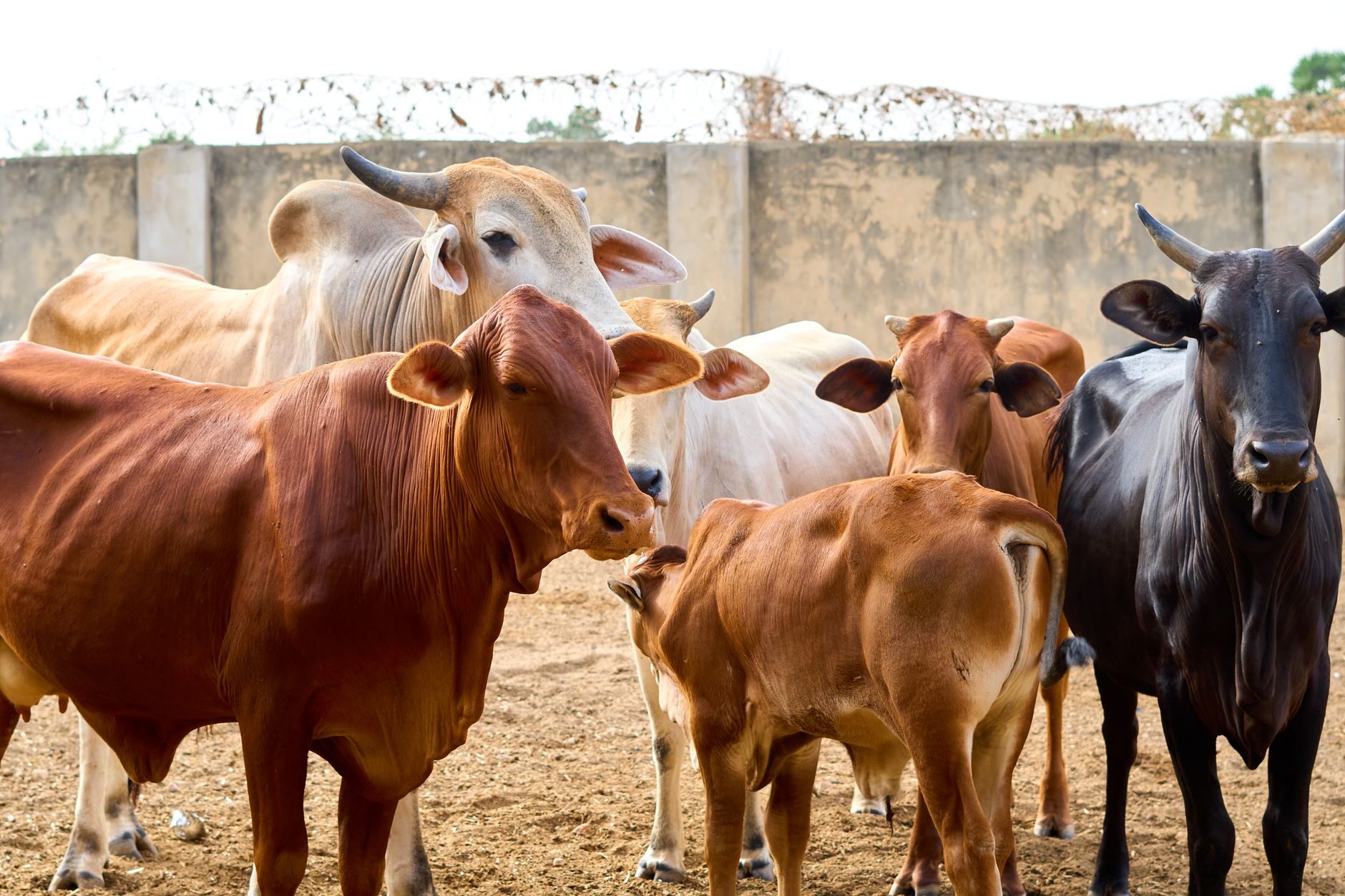
BJP Effect on Beef: The Worst Impact on Diets in Bengal
The BJP effect on beef is reshaping dietary habits across Bengal, as the once-popular meat vanishes from menus and homes.
The Rise of the BJP and Its Influence
The political landscape in India has shifted dramatically with the rise of the BJP, significantly impacting various aspects of society, including dietary choices. In West Bengal, the BJP effect on beef has become increasingly apparent, leading to a decline in consumption and availability of this staple protein source.
As the party’s influence grows, many local communities are feeling the repercussions. The following points highlight some of the changes occurring in Bengal:
- Increased Tensions: The promotion of vegetarianism by the BJP has intensified communal tensions, affecting traditional food practices.
- Economic Impact: Livestock farmers and beef traders are facing economic challenges as demand plummets.
- Dietary Shifts: Residents are being forced to alter their diets, often turning to alternative protein sources that may not meet their nutritional needs.
As a result, the BJP effect on beef is reshaping not only culinary traditions but also the cultural fabric of Bengal.
Beef Consumption Trends in Bengal
Beef consumption in Bengal has witnessed significant changes in recent years, largely influenced by the BJP effect on beef. Traditional dietary habits have been altered as the political landscape shifts, impacting the availability and acceptance of beef in local markets.
A survey conducted among Bengal households revealed some alarming trends:
- Decline in Consumption: Over 30% of respondents reported a decrease in beef consumption since the BJP’s rise to power.
- Increased Prices: The cost of beef has surged, making it less accessible to lower-income families.
- Shift to Alternatives: Many households have turned to other sources of protein, such as chicken and fish, which may not provide the same nutritional benefits.
The cultural significance of beef in Bengal is undeniable, and the BJP’s influence has not only changed consumption patterns but has also led to a broader debate on dietary rights and cultural identity in the region.
Cultural Shifts in Dietary Preferences
The BJP effect on beef consumption has led to significant cultural shifts in dietary preferences across Bengal. Traditionally, beef has been a staple in the diets of many communities in the region, deeply intertwined with local culinary practices. However, as the political landscape has evolved, so too have the eating habits of its residents.
Many families are now reconsidering their dietary choices due to increasing societal pressures and governmental regulations surrounding beef. This shift has prompted a move towards alternatives such as:
- Poultry
- Fish
- Vegetarian options
While some embrace these changes as a means of adapting to a new reality, others lament the loss of traditional dishes and flavors associated with beef. The impact of these transitions extends beyond mere dietary preferences, influencing social interactions and cultural identity in Bengal.
As the BJP continues to influence public opinion and policy, the cultural landscape of Bengal’s cuisine remains in flux.
Legal Ramifications of Beef Bans
The legal ramifications of beef bans in India, particularly under the influence of the BJP, have had significant repercussions on dietary habits in Bengal. With stringent regulations enacted in various states, the availability of beef has drastically diminished, leading to a shift in what many residents can include in their diets.
These bans have not only restricted access to beef but also have sparked debates around personal choice and cultural identity. The BJP effect on beef consumption has led to an environment where many traditional dishes that include beef are being altered or entirely removed from menus.
Furthermore, the enforcement of these laws has resulted in legal challenges for local vendors and consumers alike. The complexities surrounding these regulations create a climate of fear, causing some to avoid selling or purchasing beef altogether.
As a result, many individuals are being forced to adapt to new dietary restrictions, leading to a broader impact on health and nutrition across the region.
Public Reaction to Beef Vanishing
As the BJP’s influence grows in Bengal, public reaction to the vanishing of beef has become increasingly vocal. Many residents are expressing their discontent over the changing dietary landscape, asserting that the BJP effect on beef consumption is altering their traditional food practices.
In a recent survey, a significant portion of participants indicated that the restrictions on beef have led to a sense of cultural loss. Some locals argue that beef has long been a staple in their diets, integral to family gatherings and celebrations. The disappearance of this meat option is perceived not only as a dietary change but as an infringement on personal freedom.
Moreover, local markets are witnessing a shift in consumer habits, with many turning to alternative protein sources. However, these substitutes often come at a higher cost, raising concerns about food affordability. As discussions intensify, it is clear that the BJP’s policies are having profound implications on dietary choices and cultural identity in Bengal.
Alternatives to Beef in Bengal Cuisine
As the BJP effect on beef continues to reshape culinary landscapes in Bengal, many locals are turning to alternative sources of protein to fill the void left by diminishing beef consumption. Traditional dishes that once featured beef are now being reimagined with substitute ingredients.
Common alternatives include:
- Poultry: Chicken is increasingly favored for its versatility and ability to adapt to various regional recipes.
- Fish: Given Bengal’s proximity to rivers and the sea, fish remains a staple, with many families incorporating it into daily meals.
- Plant-based proteins: Lentils, chickpeas, and soy products are gaining popularity, offering nutritious options for vegetarian and vegan diets.
- Pork: In certain communities, pork is becoming a more common ingredient, although it is not universally accepted across all cultural groups.
These shifts signify not just dietary changes but also a broader cultural adaptation to the evolving norms influenced by political dynamics.
Health Implications of Changing Diets
The ongoing changes in dietary habits linked to the BJP effect on beef are raising significant health concerns among the residents of Bengal. With beef increasingly becoming scarce, many people are struggling to find adequate protein sources in their diets.
Health experts warn that the shift away from beef may lead to nutritional deficiencies, particularly in communities that have relied heavily on this meat as a staple. The consequences of these dietary changes could be severe, affecting both physical health and overall well-being.
Some of the potential health implications include:
- Protein Deficiency: With limited access to beef, many individuals may not meet their daily protein requirements.
- Iron Deficiency: Beef is a rich source of heme iron, and its absence may lead to increased rates of anemia.
- Increased Reliance on Processed Foods: As traditional diets change, people may turn to less nutritious alternatives.
Overall, the BJP effect on beef is not only altering cultural practices but also poses serious risks to the health of Bengal’s population.
Future of Meat Consumption in India
The future of meat consumption in India appears to be significantly shaped by the BJP effect on beef. With the increasing restrictions and cultural shifts surrounding beef, many consumers are re-evaluating their dietary choices. As beef becomes less accessible, alternative sources of protein are gaining popularity, but these changes may not adequately replace the nutritional value that beef provides.
In Bengal, a region known for its rich culinary heritage, the decline in beef consumption has led to a transformation in traditional recipes and dining habits. The adaptation to new dietary practices raises concerns about the sustainability of local food culture.
Furthermore, as public sentiment shifts, there is a growing demand for transparency and awareness regarding meat sources. Many consumers are advocating for diverse meat options that honor both tradition and health. The long-term implications of these trends may redefine not only personal diets but also the broader agricultural landscape in India.
The BJP effect on beef has led to significant changes in dietary habits across Bengal, pushing many communities to adapt to new food sources. As a result, the BJP effect on beef is not just a political issue but a pressing concern for public health and nutrition in the region.
Photo by mhd_photos on Pexels