Lithuania residence permit rules: Clear changes for 2026
Lithuania residence permit rules are set to change in November 2026, impacting both work and study options for foreign nationals. This article explores the implications of these new regulations.
Overview of Lithuania’s new residence permit rules
The government of Lithuania has announced significant changes to its residence permit rules, effective November 2026. These amendments aim to streamline the process for both work and study permits, reflecting the country’s commitment to attracting international talent and fostering economic growth.
Under the new regulations, applicants will benefit from a more straightforward application process that emphasizes efficiency and transparency. Key changes include:
- Reduced processing times: The government aims to shorten the duration for permit approvals, allowing applicants to receive decisions more quickly.
- Enhanced eligibility criteria: The revised rules will expand the categories of individuals eligible for residence permits, including students and skilled workers.
- Digital application platform: A new online system will facilitate easier submissions and tracking of applications, making the process more accessible.
These updates are part of Lithuania’s broader strategy to improve its immigration framework and support the integration of foreign nationals into the local workforce and educational institutions. The changes reflect a proactive approach to meet the needs of both employers and students in the country.
Impact on foreign workers and students
The recent changes to Lithuania’s residence permit rules are set to have a significant impact on foreign workers and students. As the new regulations take effect in November 2026, various aspects of the application process will be altered, making it essential for those considering relocation to understand the implications.
One of the key changes includes a streamlined application process for foreign workers, which aims to attract skilled professionals to meet labor market demands. This is expected to enhance Lithuania’s appeal as a destination for employment.
For students, the revised rules will facilitate easier access to residence permits for those enrolled in Lithuanian educational institutions. This is particularly beneficial for international students, as it allows them to stay in the country for the duration of their studies and seek employment opportunities afterward.
Moreover, the government plans to introduce specific criteria that prioritize certain fields of study and professional expertise, thereby aligning with national priorities. The adjustments to Lithuania’s residence permit rules signify a proactive approach to integrating foreign talent into the local economy, ultimately enriching the cultural and professional landscape of the country.
Key dates for the implementation of changes
The implementation of the new Lithuania residence permit rules is set to unfold over the coming years, with several key dates outlined for stakeholders to consider.
- November 2026: The revised regulations will officially come into effect, marking a significant shift in the approach to residence permits for both workers and students.
- July 2025: A transitional period will begin, allowing for a phased approach to the new rules. During this time, current permit holders may start applying for the updated permits under the new guidelines.
- January 2025: Information sessions and workshops will be organized by the Lithuanian government to educate applicants and employers about the changes and the application process.
- March 2024: Draft regulations will be published for public consultation, giving citizens and stakeholders the opportunity to provide feedback before the final rules are established.
These key dates are crucial for anyone planning to navigate the new Lithuania residence permit rules, ensuring a smooth transition as the changes approach.
What to expect from the application process
The application process for a Lithuania residence permit is set to undergo significant changes by November 2026. Applicants should prepare for a more streamlined and efficient procedure designed to enhance clarity and accessibility.
One of the primary adjustments will involve a digital application platform that allows individuals to submit their requests online. This initiative aims to reduce processing times and improve transparency throughout the application journey.
Additionally, applicants can expect the following updates:
- Enhanced documentation requirements: A clear list of necessary documents will be provided to ensure applicants know what is needed ahead of time.
- Increased support services: New resources will be available, including workshops and online guidance to help applicants navigate the process.
- Faster processing times: The authorities aim to significantly cut down the waiting periods for residence permit approvals.
As Lithuania residence permit rules evolve, staying informed about these changes will be crucial for potential applicants. The adjustments are designed to create a more user-friendly experience for both foreign workers and students seeking opportunities in the country.
Comparative analysis with previous rules
The new Lithuania residence permit rules set to be implemented in 2026 represent a significant shift from the previous regulations. Unlike the earlier framework, which was often criticized for its lengthy processing times and complex requirements, the updated rules aim to streamline the application process and enhance the overall experience for foreign nationals.
Under the former rules, applicants faced a rigid set of criteria that often led to confusion and delays. For instance:
- Processing Time: Previous permits could take up to six months, whereas the new regulations promise a reduction to a maximum of three months.
- Application Requirements: The former system demanded extensive documentation, while the revised rules will focus on essential documents only.
- Eligibility Criteria: Earlier requirements were often seen as prohibitive, but the new rules will introduce more accessible pathways for skilled workers and students.
This comparative analysis highlights a clear intention to attract talent and foster a more welcoming environment for those seeking to reside in Lithuania, aligning with broader immigration trends across Europe.
Expert opinions on the new regulations
Experts are weighing in on the upcoming changes to Lithuania’s residence permit rules, set to take effect in November 2026. Many believe these adjustments will have significant implications for both foreign workers and students seeking to establish themselves in the country.
Dr. Elena Karpavičius, a migration policy analyst, noted that “the new regulations are designed to streamline the application process, making it more accessible for international applicants.” She emphasized that the reforms aim to attract skilled labor and enhance Lithuania’s global competitiveness.
Professor Jonas Malinauskas from Vilnius University pointed out that “these changes reflect a growing recognition of the importance of diversity in fostering innovation.” He cautioned, however, that the success of the new rules will depend on effective implementation and outreach to potential applicants.
Additionally, Linda Šimė, an immigration lawyer, indicated that while the rules are promising, “the clarity and efficiency of the application process will be critical in determining their impact.” She urged prospective applicants to stay informed and prepared as the transition date approaches.
Overall, the expert consensus is that these shifts in Lithuania’s residence permit rules could open new opportunities while addressing previous challenges.
The upcoming changes to Lithuania residence permit rules aim to simplify the application process for foreign nationals. As 2026 approaches, many are seeking clarity on how these Lithuania residence permit rules will impact their residency status.
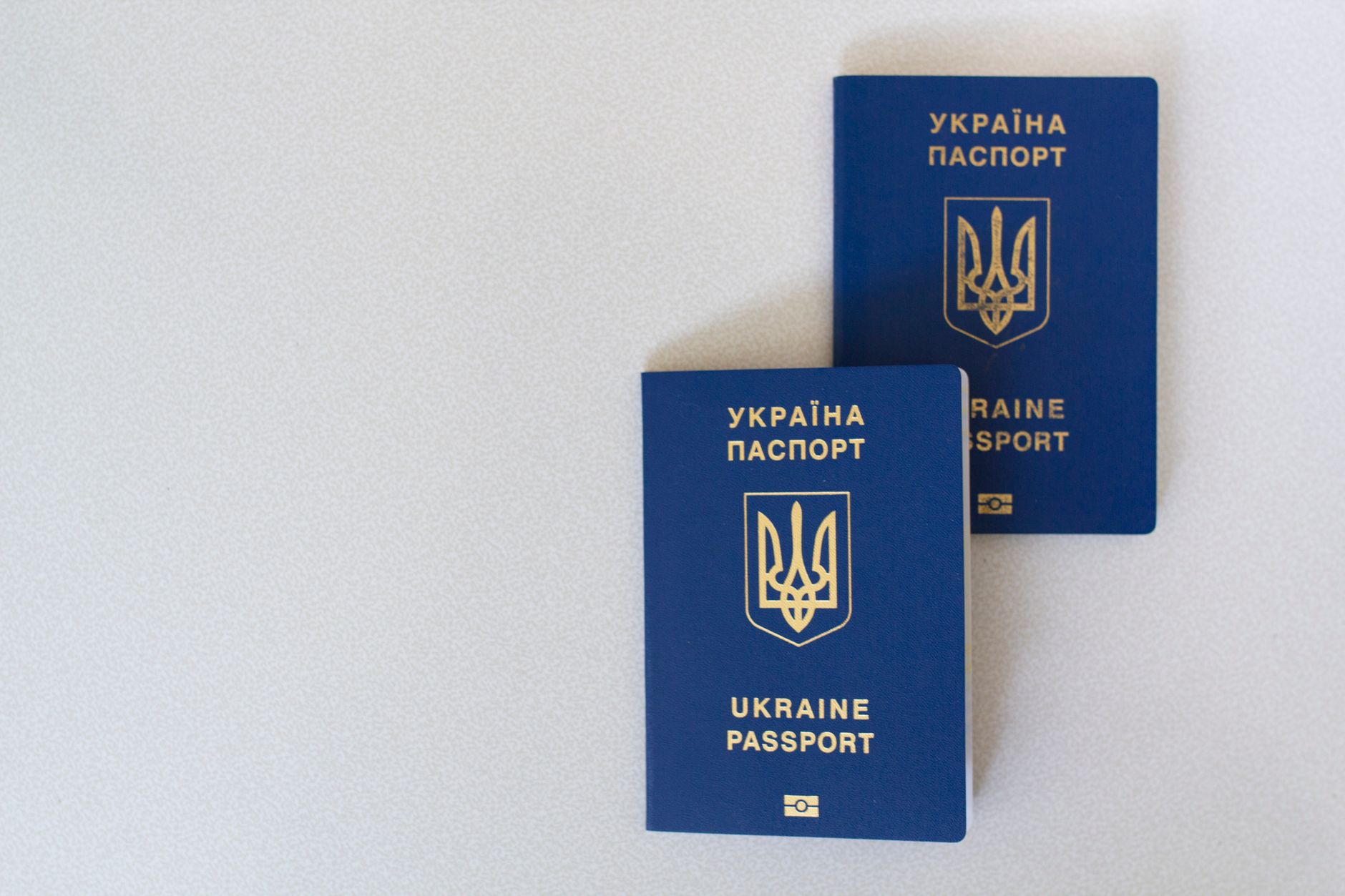
Photo by Borys Zaitsev on Pexels