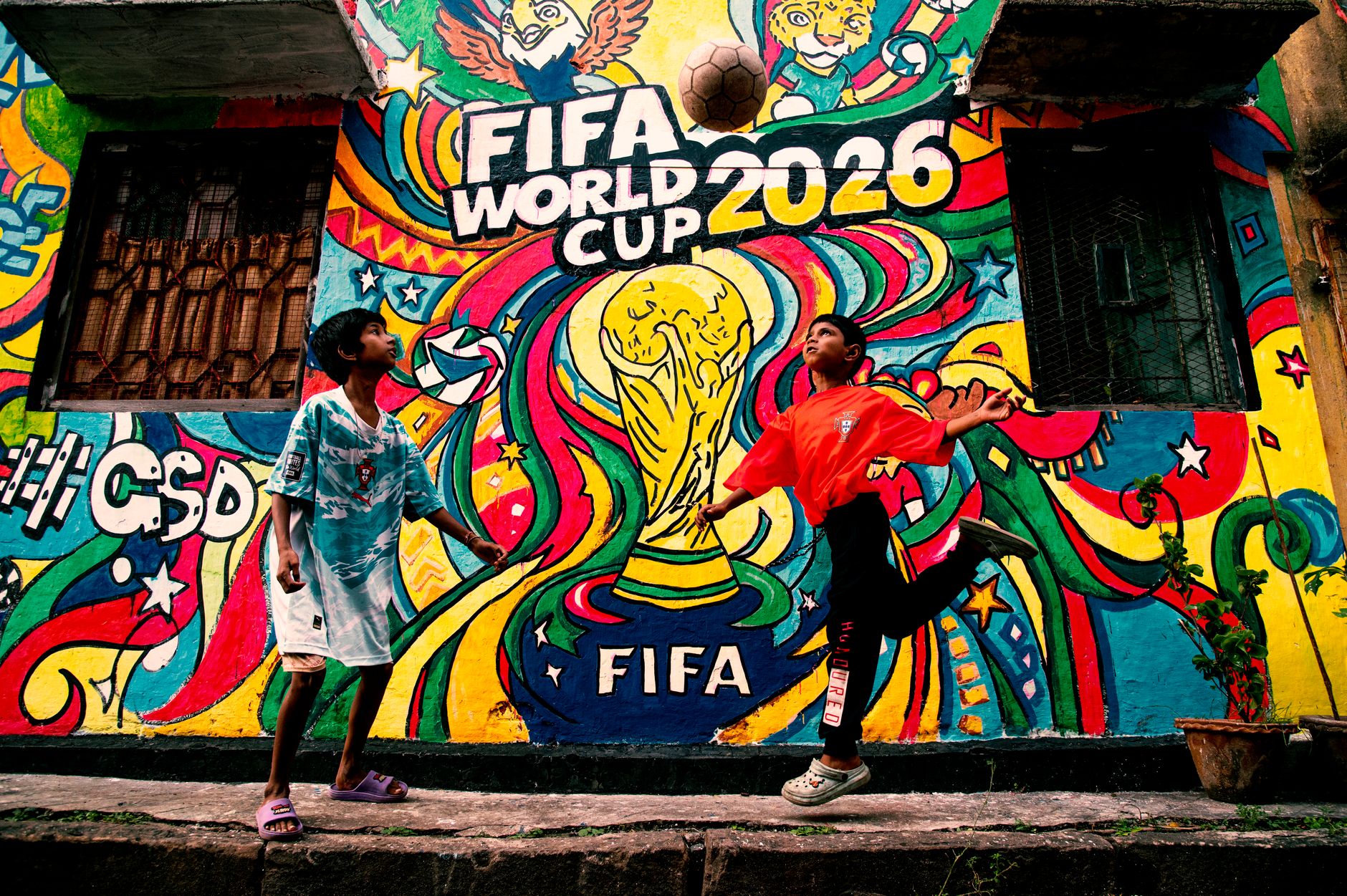
2026 World Cup law changes: What are the best updates?
The 2026 World Cup law changes will significantly impact the tournament and its participants. Understanding these changes is crucial for fans and stakeholders alike.
Overview of the 2026 World Cup
The upcoming 2026 World Cup is set to bring significant changes to the world of soccer, particularly with new law changes aimed at enhancing the game. These modifications will not only impact how matches are played but also aim to promote fairness and player safety on the field.
One of the most notable updates is the introduction of a larger tournament format, which will allow more teams to participate. This change will provide a platform for emerging soccer nations to showcase their talents on a global stage.
Additionally, the 2026 World Cup law changes include adjustments to video assistant referee (VAR) protocols, ensuring quicker and more accurate decision-making during crucial moments. Other modifications focus on player substitutions and the handling of offside rules, which are designed to streamline gameplay.
As fans eagerly await the tournament, these updates are expected to create a more dynamic and engaging experience for spectators while maintaining the integrity of the sport. The global soccer community is watching closely, as these changes could set a precedent for future competitions.
Key law changes for the tournament
The upcoming 2026 World Cup is set to bring several significant law changes aimed at enhancing the flow of the game and improving player safety. These updates reflect the evolving nature of football and the need for regulations to adapt to modern play. Below are some key law changes for the tournament:
- Increased Use of VAR: The Video Assistant Referee (VAR) system will be expanded, allowing for more comprehensive reviews of critical decisions, including potential red cards and match-changing incidents.
- Substitutions: Teams will be allowed to make up to five substitutions during a match, providing coaches with greater tactical flexibility and helping to manage player fatigue.
- Goalkeeper Restrictions: New regulations will be introduced regarding goalkeepers’ movements during penalty kicks, ensuring they remain on their goal line until the ball is struck.
- Time-Wasting Penalties: Referees will be empowered to take stricter action against time-wasting tactics, including additional time being added to matches to ensure fair play.
These 2026 World Cup law changes promise to create a more exciting and fair tournament for players and fans alike.
Impact on players and teams
The upcoming 2026 World Cup law changes are poised to significantly impact players and teams participating in the tournament. With adjustments aimed at enhancing the flow of the game and ensuring fair play, players will need to adapt quickly to the new regulations.
One of the most notable changes is the introduction of stricter guidelines regarding player conduct on and off the field. This includes:
- Improved disciplinary measures: Referees will have greater authority to issue penalties for unsportsmanlike behavior.
- Increased VAR intervention: Video Assistant Referee technology will play a more integral role in decision-making, impacting game strategy.
- Substitution rules: Teams will be allowed to make more substitutions, providing coaches with flexibility in managing player fatigue.
These law changes will not only challenge teams to adjust their tactics but also encourage players to exhibit a higher level of professionalism. As the 2026 World Cup approaches, the implementation of these new rules is expected to create a more competitive environment, drawing attention from fans and analysts alike.
Fan reactions to the new regulations
As the 2026 World Cup approaches, fans are buzzing with excitement over the new regulations that will shape the tournament. Many supporters have taken to social media to express their views on the 2026 World Cup law changes, highlighting both positive and negative aspects.
- Positive Feedback: A significant number of fans appreciate the introduction of video assistant referees (VAR) at all matches, believing it will enhance fairness and reduce controversial calls.
- Concerns: Some fans, however, are worried that the new rules may disrupt the flow of the game. They fear that too many stoppages for VAR reviews could lead to frustration among players and spectators alike.
- Excitement for Innovation: Many supporters are also enthusiastic about the potential for increased substitutions, which could lead to more dynamic and unpredictable gameplay.
The mixed reactions reflect a deep passion for the sport, as fans eagerly anticipate how the 2026 World Cup law changes will impact their beloved teams and players. As the tournament draws nearer, discussions are likely to continue, shaping the narrative leading up to this historic event.
Future implications for sports law
The 2026 World Cup law changes are expected to have significant long-term implications for sports law, influencing how future tournaments are organized and regulated. As the tournament approaches, stakeholders are beginning to analyze how these updates will shape the landscape of international sports.
One of the most notable effects is likely to be the enhancement of player safety and welfare. With new regulations promoting stricter guidelines on injury protocols, we may see a shift towards more comprehensive health management practices across all sports. This could set a precedent for other leagues and competitions to adopt similar measures.
Additionally, the 2026 World Cup law changes may encourage a more equitable distribution of resources among teams, particularly in terms of financial support and access to facilities. This could lead to a more level playing field, fostering competition and ultimately elevating the quality of the game.
Moreover, as these legal updates are implemented, they may inspire further legislative initiatives, prompting a reevaluation of existing laws in various sports. Overall, the implications of the 2026 World Cup law changes extend far beyond the tournament itself, potentially redefining the legal framework within which sports operate.
Photo by Anirban Das on Pexels