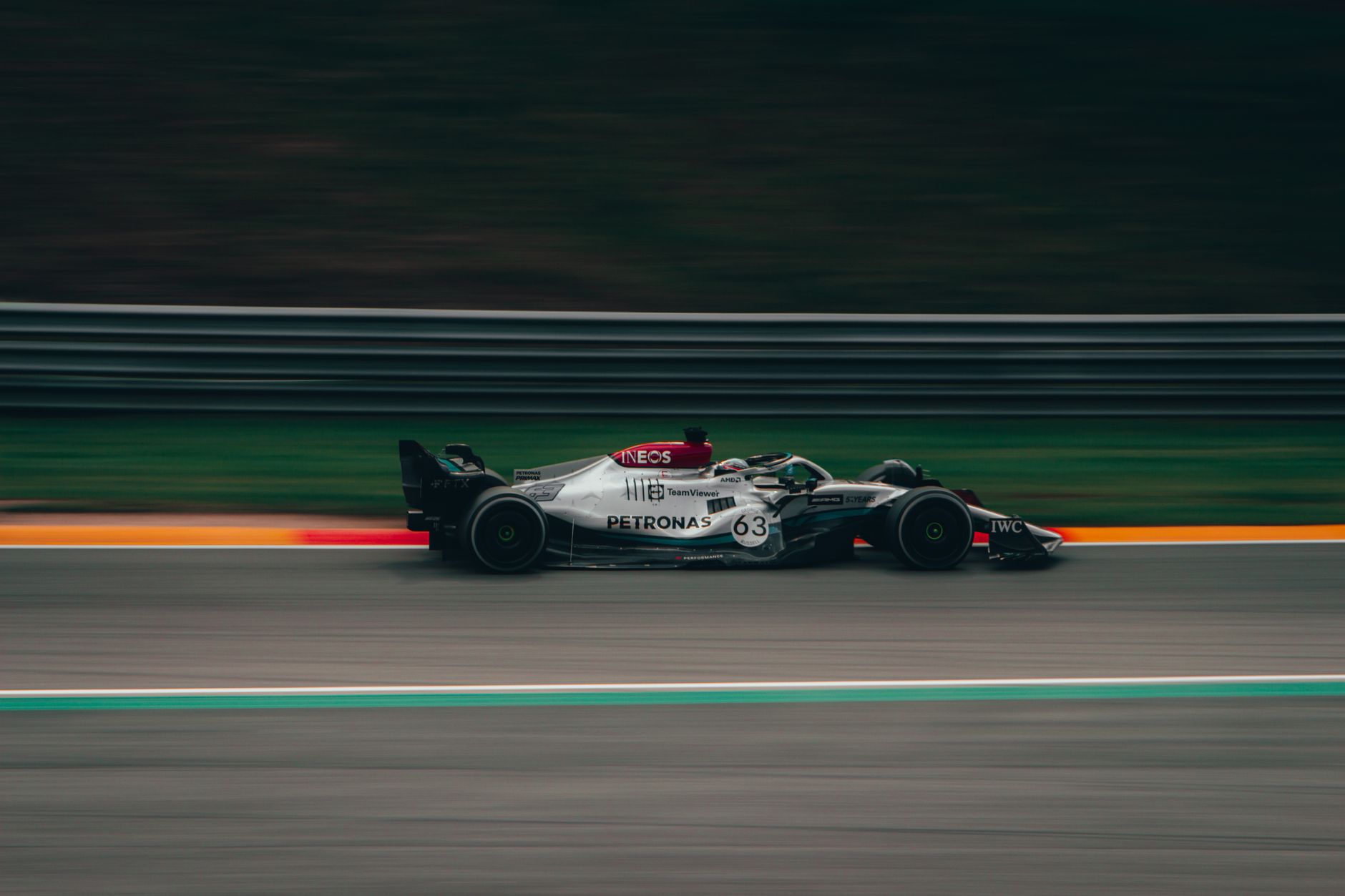
F1 Race Distance Changes: The Best Proven Impact on Safety
F1 race distance changes are coming in 2027, with a reduction to 290km and the introduction of a hard stop rule aimed at enhancing safety and competition.
Overview of F1 Race Distance Changes
The world of Formula 1 is set to undergo significant changes in the coming years, particularly regarding F1 race distance changes. In a move aimed at enhancing safety, F1 officials have decided to reduce the race distance to 290 kilometers starting in 2027. This decision has sparked discussions among teams, drivers, and fans alike.
One of the primary reasons behind this reduction is the ongoing concern over driver fatigue and its potential impact on performance and safety. By shortening the race distance, officials hope to maintain higher levels of concentration and reduce the risk of accidents caused by tiredness.
Additionally, the introduction of a hard stop rule will further ensure that races remain competitive while prioritizing the well-being of participants. This rule stipulates that teams must adhere to strict protocols during pit stops, minimizing risks associated with mechanical failures and human errors.
As the 2027 season approaches, the motorsport community is eager to see how these F1 race distance changes will affect the overall dynamics of racing, possibly leading to more strategic and exciting competitions on the track.
Impact of Hard Stop Rule on Races
The introduction of the hard stop rule has sparked considerable discussion among drivers, teams, and fans alike. This rule, which mandates that races must conclude within a specific time frame, significantly influences race strategies and dynamics.
One of the primary goals of implementing this rule is to enhance safety during F1 races. By limiting the time drivers spend on the track, the potential for fatigue-related incidents may be reduced. This change complements the recent adjustments in race distance, which now caps the maximum at 290 kilometers. The modifications in F1 race distance changes aim to ensure that drivers remain sharp and alert throughout the competition.
Furthermore, the hard stop rule encourages teams to adopt more aggressive strategies, leading to thrilling on-track battles as drivers push the limits of their capabilities. This heightened urgency can result in more exciting overtakes and unpredictable outcomes, ultimately providing a gripping experience for spectators.
As the 2027 season approaches, the combined effect of the hard stop rule and the revised race distances is expected to reshape the competitive landscape of F1, prioritizing safety while enhancing the overall spectacle of the sport.
Safety Improvements in F1 Regulations
The recent amendments to F1 regulations, particularly the F1 race distance changes, are aimed at enhancing safety for drivers and teams alike. These modifications reflect a growing acknowledgment of the need to prioritize well-being in high-speed motorsport environments.
One of the key safety improvements includes the reduction of total race distances to 290 kilometers. This change is designed to minimize driver fatigue and ensure that athletes maintain peak performance throughout the event. Studies have indicated that shorter races can lead to fewer errors on track, ultimately reducing the risk of accidents.
In conjunction with the new race distance, the hard stop rule is also expected to play a significant role in bolstering safety. By enforcing stricter guidelines on race conduct, officials aim to discourage risky maneuvers that could jeopardize participant safety. This regulation promotes a more controlled racing environment, encouraging drivers to prioritize strategy over aggression.
As F1 continues to evolve, the focus remains not only on exhilarating competition but also on creating a safer framework for all involved. These regulations mark a positive stride toward safeguarding the future of the sport.
Future of Formula 1 Racing
The future of Formula 1 racing looks promising as the sport adapts to enhance safety and performance. With the recent changes to race distances, now capped at 290 kilometers, teams and drivers are likely to experience a shift in strategy and preparation. This reduction in race distance is designed not only to improve driver endurance but also to minimize the risks associated with fatigue during prolonged races.
Additionally, the introduction of the hard stop rule is expected to revolutionize race tactics. This rule mandates that teams must come to a complete halt at designated points, adding an element of unpredictability to race dynamics. As teams adjust to these changes, fans can anticipate more thrilling and competitive races.
Moreover, the F1 race distance changes reflect a broader commitment to fostering a safer racing environment. With advances in technology and a focus on driver well-being, the sport aims to strike a balance between speed and safety. As we look forward to the 2027 season and beyond, the implications of these changes will be closely monitored, as they may redefine the essence of Formula 1 racing for years to come.
Recent studies have shown that F1 race distance changes can significantly reduce the number of accidents during high-speed events. By implementing these adjustments, teams have reported improved driver safety and overall race conditions.
Photo by Bob Ronald on Pexels