Russia Iran sanctions law: The Right Move for US Economy
The Russia Iran sanctions law has been officially signed, granting the power to impose tariffs up to 100%. This move is expected to impact international trade relations significantly.
Overview of the Russia Iran sanctions law
The newly enacted Russia Iran sanctions law marks a significant shift in U.S. foreign policy, aiming to counter the influence of both nations in global affairs. This legislation provides the government with broad powers to impose economic penalties, including tariffs of up to 100% on specific goods imported from Russia and Iran.
Key features of the law include:
- Targeted Sanctions: The law focuses on entities and individuals involved in activities that undermine U.S. interests.
- Economic Pressure: By imposing tariffs, the U.S. aims to weaken the economic ties between Russia and Iran.
- Enhanced Enforcement: The law includes stricter measures for monitoring compliance and enforcing sanctions.
This Russia Iran sanctions law is seen as a strategic move to bolster the U.S. economy while sending a clear message to adversarial nations about the consequences of their actions.
Impact on US trade relations
The passage of the Russia Iran sanctions law is poised to have significant implications for US trade relations. As the government prepares to impose stricter tariffs on goods from these nations, several industries may face unexpected challenges.
Key impacts include:
- Increased Costs: American businesses that rely on imports from Russia and Iran may see a rise in operational costs due to the potential for up to 100% tariffs.
- Supply Chain Disruptions: Companies could experience delays in receiving critical materials, affecting production timelines and overall market responsiveness.
- Market Reactions: Investors are likely to react to the sanctions, potentially leading to volatility in stock prices related to affected sectors.
Ultimately, while the Russia Iran sanctions law aims to exert pressure on these countries, it may inadvertently strain trade relations for American businesses seeking stability in an increasingly uncertain global market.
Details of the new tariff powers
The recently enacted Russia Iran sanctions law grants the U.S. government enhanced tariff powers aimed at countering foreign aggression and protecting domestic interests. Under this law, officials are empowered to impose tariffs of up to 100% on goods imported from specific countries that are deemed to be undermining U.S. national security.
This significant measure is anticipated to reshape trade dynamics and bolster the U.S. economy. Key details include:
- Targeted sanctions: The law enables comprehensive sanctions against entities aiding Russia or Iran.
- Expanded authority: The Treasury Department can now act swiftly to implement tariffs without extensive legislative approval.
- Increased scrutiny: Imports from certain nations will face rigorous inspection to ensure compliance with the new rules.
Overall, the Russia Iran sanctions law aims to reinforce the U.S.’s stance in international trade while safeguarding American businesses and workers.
Reactions from Russia and Iran
The recent enactment of the Russia Iran sanctions law has sparked a significant reaction from both Moscow and Tehran. Russian officials have condemned the sanctions, stating that they are a violation of international law and will not go unanswered. They have vowed to seek alternative trading partnerships to mitigate the impact of the new tariffs.
In Iran, the government has expressed outrage, labeling the sanctions as an attempt to undermine its economy. Iranian leaders have called for unity among allied nations to counter what they perceive as aggressive US policies. Iran’s Foreign Minister emphasized the need for resilience, asserting that the country will adapt to the challenges posed by the sanctions.
This swift response highlights the geopolitical tensions exacerbated by the Russia Iran sanctions law, raising concerns about future diplomatic relations and economic stability in the region.
Legal implications of the sanctions
The legal implications of the Russia Iran sanctions law are significant and far-reaching. This legislation grants the U.S. government extensive powers to impose tariffs, with rates potentially reaching up to 100%. Such authority not only impacts the economic landscape but also sets a precedent for future sanctions legislation.
Critics argue that the law may lead to complex legal challenges, as affected parties may seek to contest the tariffs in court. Additionally, the law raises questions about its compatibility with international trade agreements, potentially straining relations with allied nations.
Moreover, the Russia Iran sanctions law could trigger retaliatory measures from these countries, complicating the geopolitical landscape further. Legal experts emphasize the importance of navigating these sanctions carefully to mitigate adverse consequences on U.S. businesses engaged in international trade.
- Potential legal challenges from affected parties.
- Compatibility issues with international trade agreements.
- Risk of retaliatory measures from Russia and Iran.
Future of US foreign policy
The future of US foreign policy may be significantly shaped by the newly enacted Russia Iran sanctions law. As the United States positions itself against perceived threats from both Russia and Iran, these sanctions are expected to play a crucial role in diplomatic negotiations.
Analysts suggest that this law not only strengthens the US’s stance on international security but also impacts its economic strategy. By empowering the government to impose tariffs of up to 100%, the law could lead to a reevaluation of trade relationships, especially with nations that are allies of Russia and Iran.
Furthermore, the sanctions may encourage collaboration with European partners who share concerns about aggression from these states. As the US navigates this complex geopolitical landscape, the effectiveness of the Russia Iran sanctions law will be closely monitored, determining its influence on global trade and political alliances.
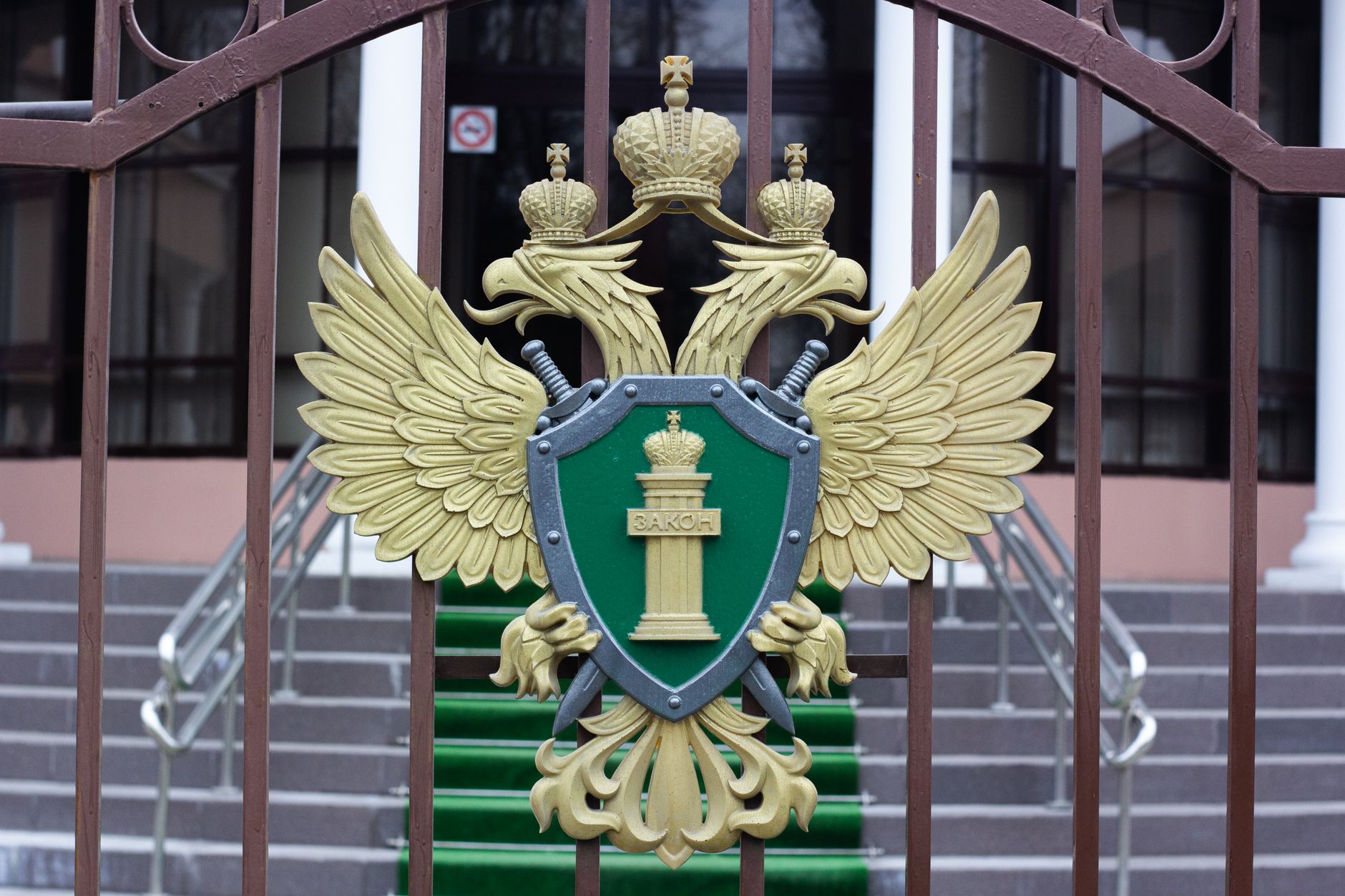
Photo by Plato Terentev on Pexels