UNHRC Concerns Over Detentions: Clear Legal Response
UNHRC concerns over detentions have been dismissed by the MEA, which asserts that authorities act strictly in accordance with the law. This response highlights the government’s commitment to legal protocols.
Understanding the UNHRC’s Concerns
The United Nations Human Rights Council (UNHRC) has raised significant concerns over detentions carried out by various authorities, highlighting the need for legal clarity and adherence to international standards. The UNHRC emphasizes the importance of due process and the protection of individual rights, particularly in situations where detentions may be perceived as arbitrary or unjustified.
These concerns come in light of statements from the Ministry of External Affairs (MEA), which asserts that authorities are acting strictly in accordance with the law. However, the UNHRC’s position suggests that there may be discrepancies between national laws and international human rights norms.
Key points of the UNHRC’s concerns include:
- Due Process: The necessity for transparent legal procedures before individuals are detained.
- Arbitrary Detention: Warning against practices that may lead to unlawful detention without sufficient legal justification.
- Human Rights Compliance: The call for adherence to international human rights standards in all detention cases.
As discussions continue, the UNHRC’s concerns over detentions highlight the imperative for legal reforms that align with global human rights principles.
MEA’s Official Statement on Detentions
The Ministry of External Affairs (MEA) has issued a clear statement addressing the concerns raised by the United Nations Human Rights Council (UNHRC) regarding recent detentions. The MEA emphasized that the authorities act strictly in accordance with the law, rebutting claims of unlawful practices.
In a detailed response, the MEA outlined the following key points:
- Legal Framework: The MEA reiterated that all actions taken by law enforcement are based on existing legal frameworks, ensuring accountability and adherence to due process.
- Human Rights Standards: The Ministry affirmed its commitment to upholding human rights standards while maintaining public order and national security.
- Engagement with UNHRC: The MEA expressed willingness to engage in constructive dialogue with the UNHRC to clarify facts and address any misunderstandings related to the detentions.
In conclusion, the MEA’s official statement reflects a firm stance against the UNHRC’s concerns over detentions, asserting that all measures taken are within the scope of the law and necessary for maintaining societal stability.
Legal Implications of Detention Practices
The recent discussions surrounding the UNHRC concerns over detentions have raised significant legal implications that cannot be overlooked. As various reports and statements emerge, it is crucial to analyze how detention practices align with both national and international law.
Legal experts emphasize the importance of adhering to established legal frameworks when addressing detentions. Key implications include:
- Due Process: The right to a fair trial and due process must be upheld, ensuring that individuals are not arbitrarily detained.
- Human Rights Standards: International human rights standards dictate that detentions should be justified and transparent.
- Accountability: Authorities must be held accountable for any actions that violate legal norms, including unlawful detention practices.
In light of the MEA’s response dismissing the UNHRC concerns over detentions, legal analysts are calling for a thorough examination of the laws governing such practices. The ongoing discussions highlight the need for a balanced approach that respects human rights while maintaining public safety.
Public Reaction to MEA’s Dismissal
The recent dismissal of the UNHRC’s concerns over detentions by the Ministry of External Affairs (MEA) has sparked a significant public reaction. Many citizens and human rights advocates have expressed their disappointment, feeling that the MEA’s stance undermines the severity of the issue at hand.
Social media platforms have become a battleground for opinions, with a variety of views emerging:
- Supporters of the MEA: Some argue that the government is acting within its legal framework, asserting that national security must take precedence.
- Critics: Others believe that dismissing the UNHRC’s concerns over detentions reflects a troubling disregard for international human rights standards.
- Legal Experts: Many legal analysts have raised alarms, suggesting that the MEA’s response could have long-term implications for India’s global standing.
As the debate continues, the UNHRC’s concerns over detentions remain a critical topic among the populace, highlighting the delicate balance between law enforcement and individual rights. The public’s response underscores a growing demand for transparency and accountability in how detentions are handled.
Comparative Analysis of International Legal Standards
The comparative analysis of international legal standards reveals significant discrepancies between various countries’ detention practices and the expectations set forth by international human rights frameworks. The United Nations Human Rights Council (UNHRC) has expressed serious concerns over detentions in several nations, highlighting the need for adherence to established legal norms.
Many international treaties, such as the International Covenant on Civil and Political Rights (ICCPR), stipulate that any form of detention must be lawful, necessary, and proportionate. In contrast, some countries have adopted broader definitions of security that permit arbitrary detentions, thereby undermining individual rights.
- Legal Frameworks: Countries are encouraged to align their detention laws with international standards to ensure fairness and accountability.
- Judicial Oversight: Effective judicial review mechanisms are essential for addressing unlawful detentions and protecting detainees’ rights.
- International Accountability: The role of international bodies, such as the UNHRC, is crucial in monitoring compliance and addressing violations.
As the UNHRC continues to raise concerns over detentions, the call for a clear legal response becomes increasingly urgent to safeguard human rights globally.
The ongoing discussions surrounding UNHRC concerns over detentions highlight the urgent need for legal reforms. Many experts believe that addressing UNHRC concerns over detentions will pave the way for more humane treatment of detainees.
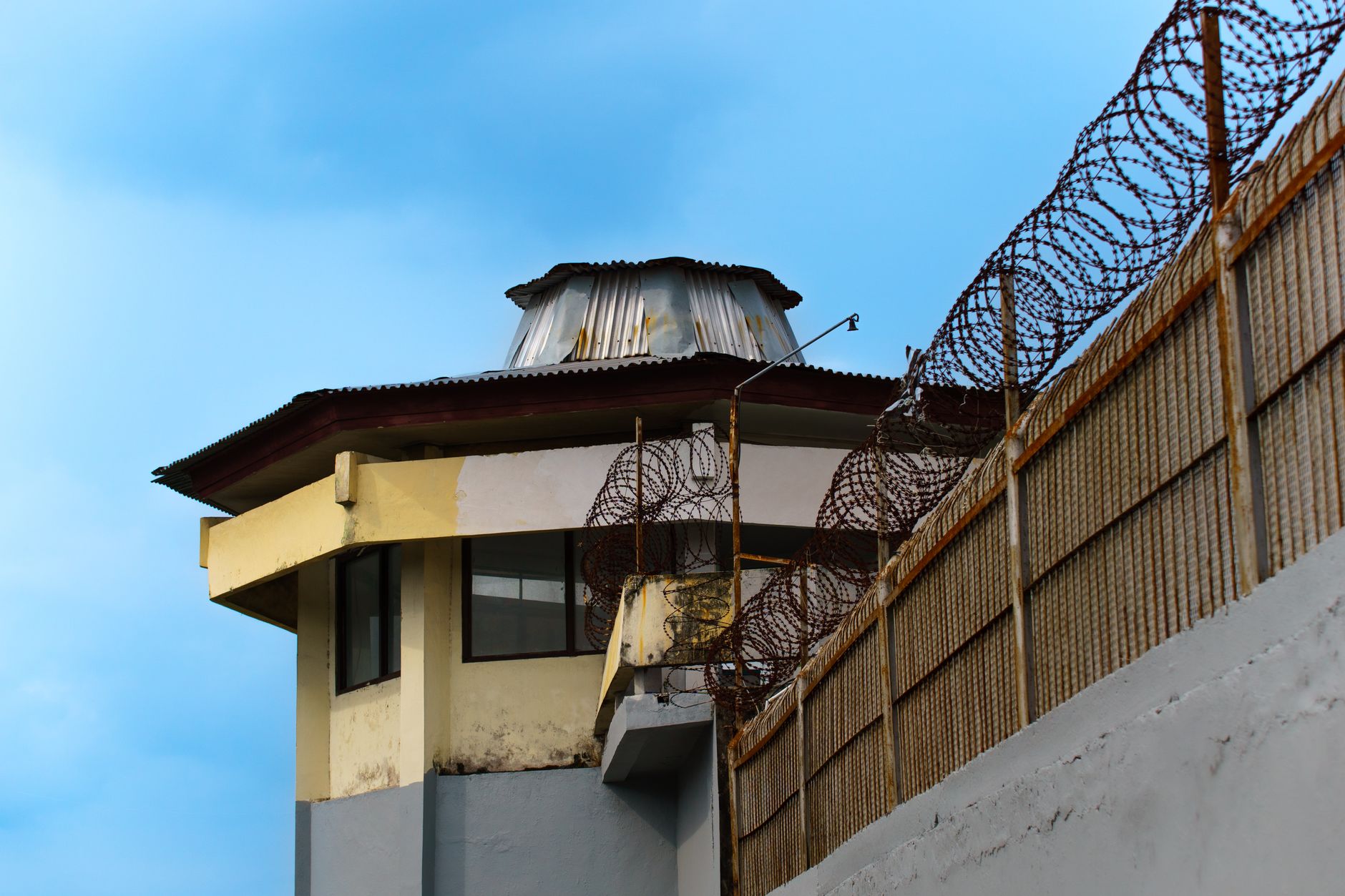
Photo by Dwi Candra on Pexels